×

The Standard e-Paper
Join Thousands Daily
 The Standard Group Plc is a
multi-media organization with investments in media platforms spanning newspaper
print operations, television, radio broadcasting, digital and online services. The
Standard Group is recognized as a leading multi-media house in Kenya with a key
influence in matters of national and international interest.
The Standard Group Plc is a
multi-media organization with investments in media platforms spanning newspaper
print operations, television, radio broadcasting, digital and online services. The
Standard Group is recognized as a leading multi-media house in Kenya with a key
influence in matters of national and international interest.

A hallmark of an airline’s operational excellence is the optimisation of its network. This is the disciplined pursuit of efficiency: Designing routes and allocating resources in ways that maximise value while minimising costs. It requires airlines to continually refine flight schedules, reshape route structures and deploy assets, most notably aircraft, with calculated intensity to extract the greatest return.
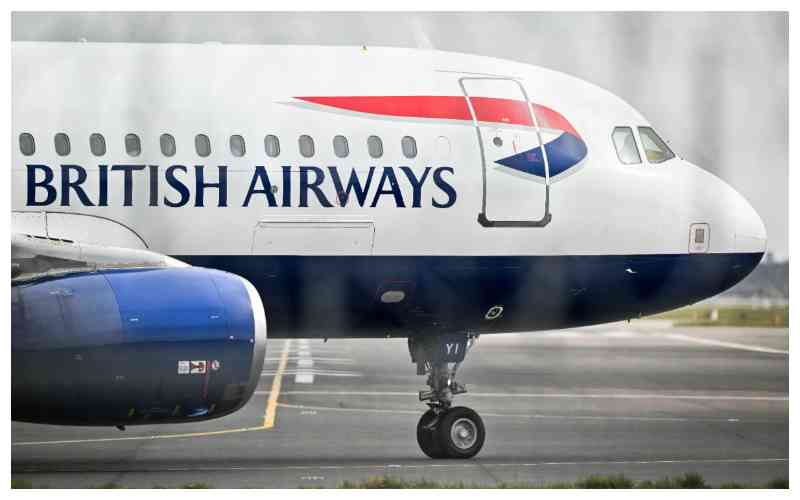
Put more plainly, network optimisation is the art of getting passengers and cargo to their destinations by the best possible combination of routes and timings while burning less fuel, using crews more productively and keeping other costs firmly in check. Kenya Airways (KQ), like many global carriers, has reshaped its route network as part of its post-pandemic recovery. It has withdrawn from routes with persistently weak load factors while consolidating flight and ground operations by redeploying capacity and increasing frequencies on its most profitable sectors. The result is a leaner, more efficient network calibrated to maximise returns rather than reach.






Subscribe to our newsletter and stay updated on the latest developments and special offers!







 join
join