×

The Standard e-Paper
Home To Bold Columnists
 The Standard Group Plc is a
multi-media organization with investments in media platforms spanning newspaper
print operations, television, radio broadcasting, digital and online services. The
Standard Group is recognized as a leading multi-media house in Kenya with a key
influence in matters of national and international interest.
The Standard Group Plc is a
multi-media organization with investments in media platforms spanning newspaper
print operations, television, radio broadcasting, digital and online services. The
Standard Group is recognized as a leading multi-media house in Kenya with a key
influence in matters of national and international interest.

Audio By Vocalize

Israel’s recognition of Somaliland’s secession is the most consequential geopolitical development in the Horn and East African Coast since the end of colonialism, with ramifications across Africa and the Middle East.
It could set off a chain reaction of copycat secessionist ambitions in the Horn of Africa and Near East, occasioning a further dismemberment of the African continent and Arabian Gulf, especially in Yemen.
This recognition was long coming and courted by Somalilander lobbyists who, as early as the late 1990s, threatened to recognise Israel to elevate their separatism, but the timing now is curious and paralysing.
In the short-term, Israel seeks new/pliant allies in the Muslim world following its isolation following the devastating Gaza War. In the long term, Israel seeks to remake, weaken, and dominate the Muslim/Arab world by all means.
As sure as night follows day, after the celebrations die in Hargeisa, Somaliland will soon feel the weight of its alignment with Israel, internally and regionally.
Like the man who has been given seawater to quench a 32-year-old thirst, the Hargeisa regime will become Israel’s tool in the Horn of Africa, complete with the negative requirements that this alignment carries.
Somalia’s historical enemies/nemeses, Ethiopia, and to an extent, Djibouti and Kenya, privately, welcome any weakening of Somalia as a viable nation state, but also fear the unintended consequences that the recognition of Somaliland brings to their own shores and internal politics. Ethiopia, especially, followed by Kenya, will hesitate but cave in, eventually, under immense pressure from Israel to upgrade diplomatic relations with Hargeisa.
As part of the bargain with Israel, Somaliland will, most likely, cede some military facility for lsrael Defence Forces in Somaliland. Some reports suggest the Somalilanders pledged to take in Gazans as part of PM Benjamin Netanyahu’s macabre plot to depopulate the strip.
Strategic waterway
Recognition of Somaliland allows Israel control of a strategic waterway in the Red Sea from which to challenge the Houthis in the short term and check Turkey’s and Iran’s ambitions in the region in the long term. China, for the time being, will not be amused because Somaliland recognises Taiwan.
Turkey has its largest foreign bases in the rump of Somalia. Israeli ally, the United Arab Emirates (UAE), has bases and seaports in Somaliland and Somalia’s autonomous Puntland region, from where Abu Dhabi has been sowing discord in Sudan to Israel’s advantage. Israel and the UAE intend to challenge Turkey’s ambitions in the region from Somaliland and possibly from a separatist state to emerge in South Yemen at the UAE’s behest.
If the recognition sticks, Ethiopia might eventually recognise Somaliland and attempt to negotiate some kind of land deal with Somaliland from which to rebuild its navy and confront Eritrea, its long-term rival. Whatever scenario, the inviolability of Africa’s colonial borders inherited in the 1960s, which was first tested with the secession of South Sudan 15 years ago, faces renewed strain.
It’s too early to know the full manifestation of this development inside Somaliland itself, where some clans and regions oppose the secession bid. And there’s the unsolved boundary dispute between Somaliland and Puntland.
It’s unclear yet how Eritrea will react to the new developments in the short and mid-term.
While some analysts allege Israel’s adventure in Somaliland displays a failure of Somalia’s diplomacy, it is abundantly clear that the screws on Somalia’s pride and nationhood just got tighter in part due to major Middle East powers like Turkey, Saudi Arabia, and Egypt’s strategic miscalculation in Syria, Libya, and obsession with Iran, instead of focusing on Israel.
Stay informed. Subscribe to our newsletter
Israel’s recent shelling of Qatar, a supposed US ally, showed that when it comes to enforcing its agenda, Israel will do as it pleases, and the US will do nothing.
Even in the ongoing calculations in the Horn of Africa, Sudan, and the Gulf, where the Gulf monarchies purport to hold sway, Israel seeks to show the UAE, the Saudis, and Turks who the real boss of the Middle East is.
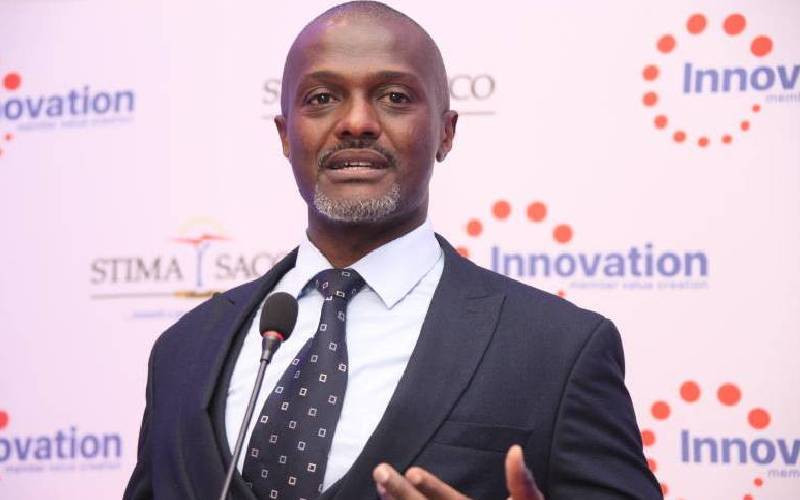
Mr Ochami is an advocate of the High Court of Kenya

Subscribe to our newsletter and stay updated on the latest developments and special offers!






 join
join