×

The Standard e-Paper
Kenya’s Boldest Voice
 The Standard Group Plc is a
multi-media organization with investments in media platforms spanning newspaper
print operations, television, radio broadcasting, digital and online services. The
Standard Group is recognized as a leading multi-media house in Kenya with a key
influence in matters of national and international interest.
The Standard Group Plc is a
multi-media organization with investments in media platforms spanning newspaper
print operations, television, radio broadcasting, digital and online services. The
Standard Group is recognized as a leading multi-media house in Kenya with a key
influence in matters of national and international interest.
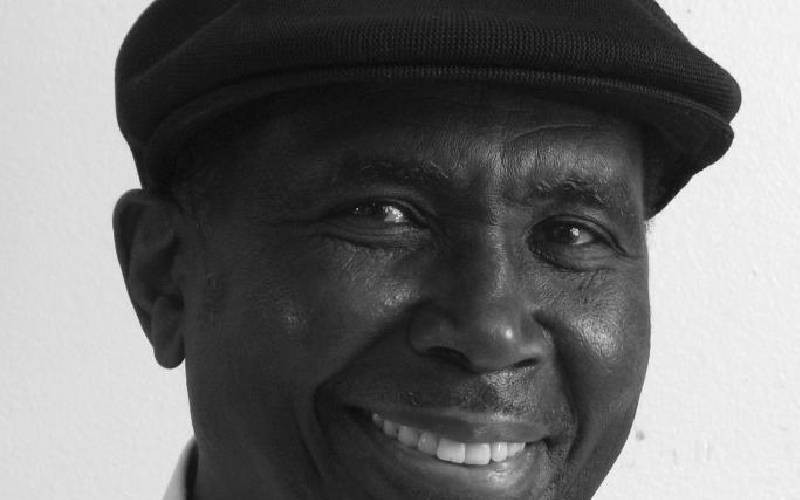
Meja Mwangi (real name David Dominic Mwangi), who died last Thursday aged 78, was no ordinary writer. He shunned publicity, choosing obscurity over the glare of the media spotlight and deliberately set himself apart from many of his literary contemporaries through a sustained commitment to “common man” stories.
His rich oeuvre, featuring works such as Kill Me Quick (1974), Going Down River Road (1976), The Cockroach Dance (1979), Weapons of Hunger (1989) and The Last Plague (2000), depicted life as lived by ordinary people in rural and urban Kenya. His narratives were rooted in the years following Independence in the early 1960s.





Subscribe to our newsletter and stay updated on the latest developments and special offers!







 join
join