×

The Standard e-Paper
Kenya’s Boldest Voice
 The Standard Group Plc is a
multi-media organization with investments in media platforms spanning newspaper
print operations, television, radio broadcasting, digital and online services. The
Standard Group is recognized as a leading multi-media house in Kenya with a key
influence in matters of national and international interest.
The Standard Group Plc is a
multi-media organization with investments in media platforms spanning newspaper
print operations, television, radio broadcasting, digital and online services. The
Standard Group is recognized as a leading multi-media house in Kenya with a key
influence in matters of national and international interest.
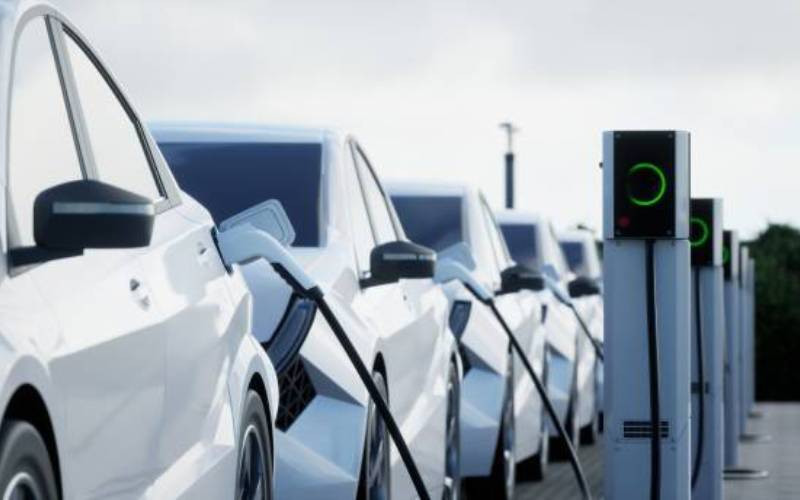
The electric vehicle (EV) industry, a cornerstone of sustainable transportation, has witnessed significant growth worldwide. Governments globally are introducing policies to promote EV adoption, leveraging its potential for reducing greenhouse gas emissions and reliance on fossil fuels. However, the case of Kenya highlights a perplexing scenario where recent government policies seem to contradict the initial supportive measures, raising questions about the country's commitment to sustainable development.
In the past few years, Kenya has made commendable strides in promoting e-mobility. The government's early initiatives included removing VAT on electric vehicles and batteries, which catalyzed the growth of the EV industry. This policy environment fostered innovation and investment, aligning with Kenya's renewable energy strengths. With over 90 per cent of its electricity sourced from renewables, Kenya is well-positioned to lead in green transportation. President William Ruto's vision of achieving 100 per cent renewable energy by 2030 further underscored this commitment.







Subscribe to our newsletter and stay updated on the latest developments and special offers!