×

The Standard e-Paper
Smart Minds Choose Us
 The Standard Group Plc is a
multi-media organization with investments in media platforms spanning newspaper
print operations, television, radio broadcasting, digital and online services. The
Standard Group is recognized as a leading multi-media house in Kenya with a key
influence in matters of national and international interest.

Audio By Vocalize

Last weekend, a group of stand-up comedians took over Machakos, not just to make people laugh but to teach them something about money. Their performances were part of a new live comedy initiative built around the amusing, sometimes frustrating ways Kenyans handle their finances. And Machakos was only the beginning. The comedians are expected to tour other parts of the country, taking their punchlines and financial lessons to new audiences.
Of course, they are being paid for it.
Welcome to the evolving business of comedy, where brands are moving beyond conventional advertising to incorporate their messages into the entertainment itself.
Rather than simply flashing products before viewers, companies are increasingly turning to comedians to communicate with consumers through humour, relatable stories and familiar experiences.

It is a considerable shift from the days when educational entertainment programmes used humour to pass messages, through the growth of weekly stand-up shows, to today’s digital landscape, where comedians occupy television screens, smartphones and social media feeds.
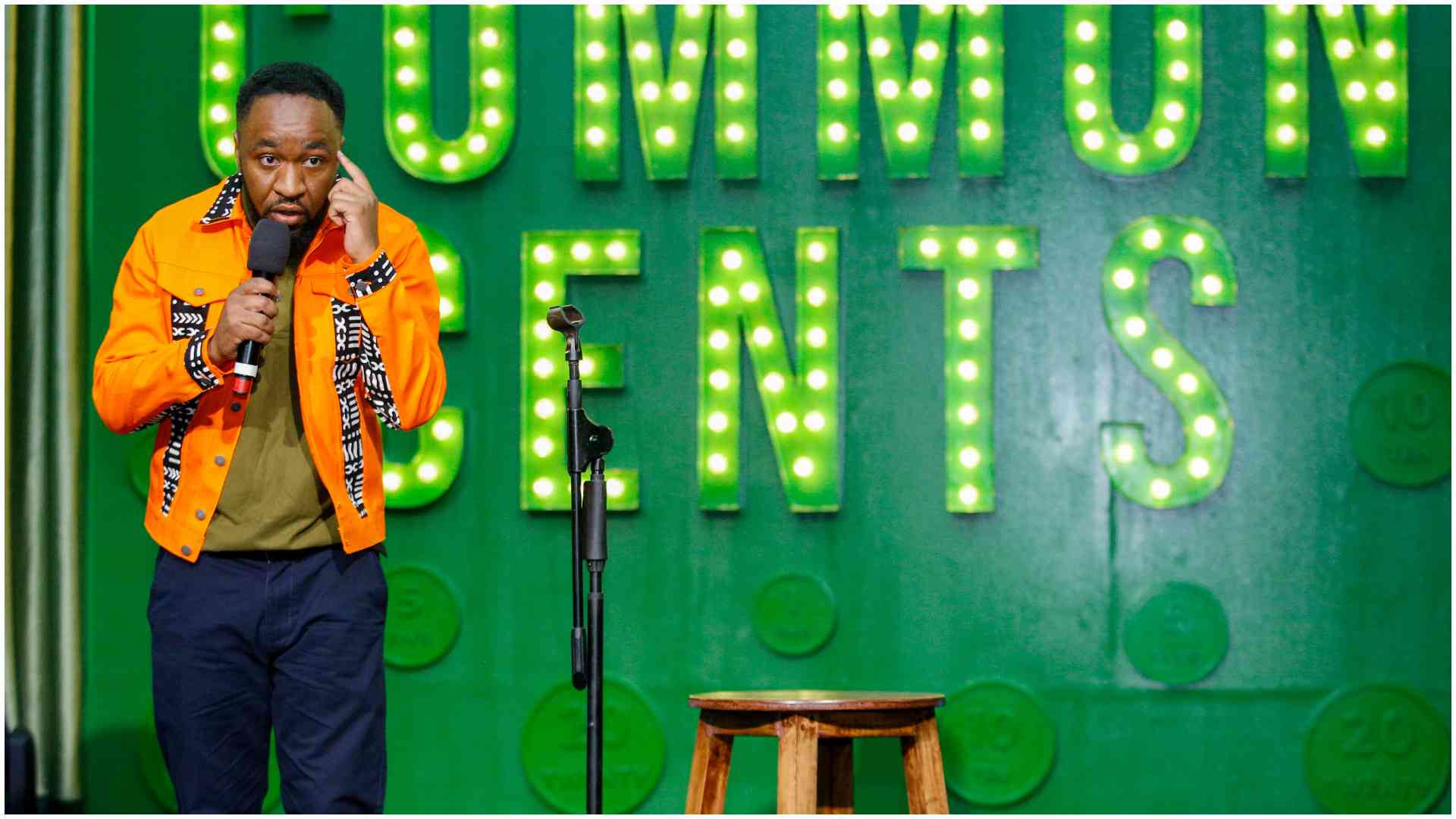
Common Cents initiative is the latest example of this convergence between comedy and corporate communication.
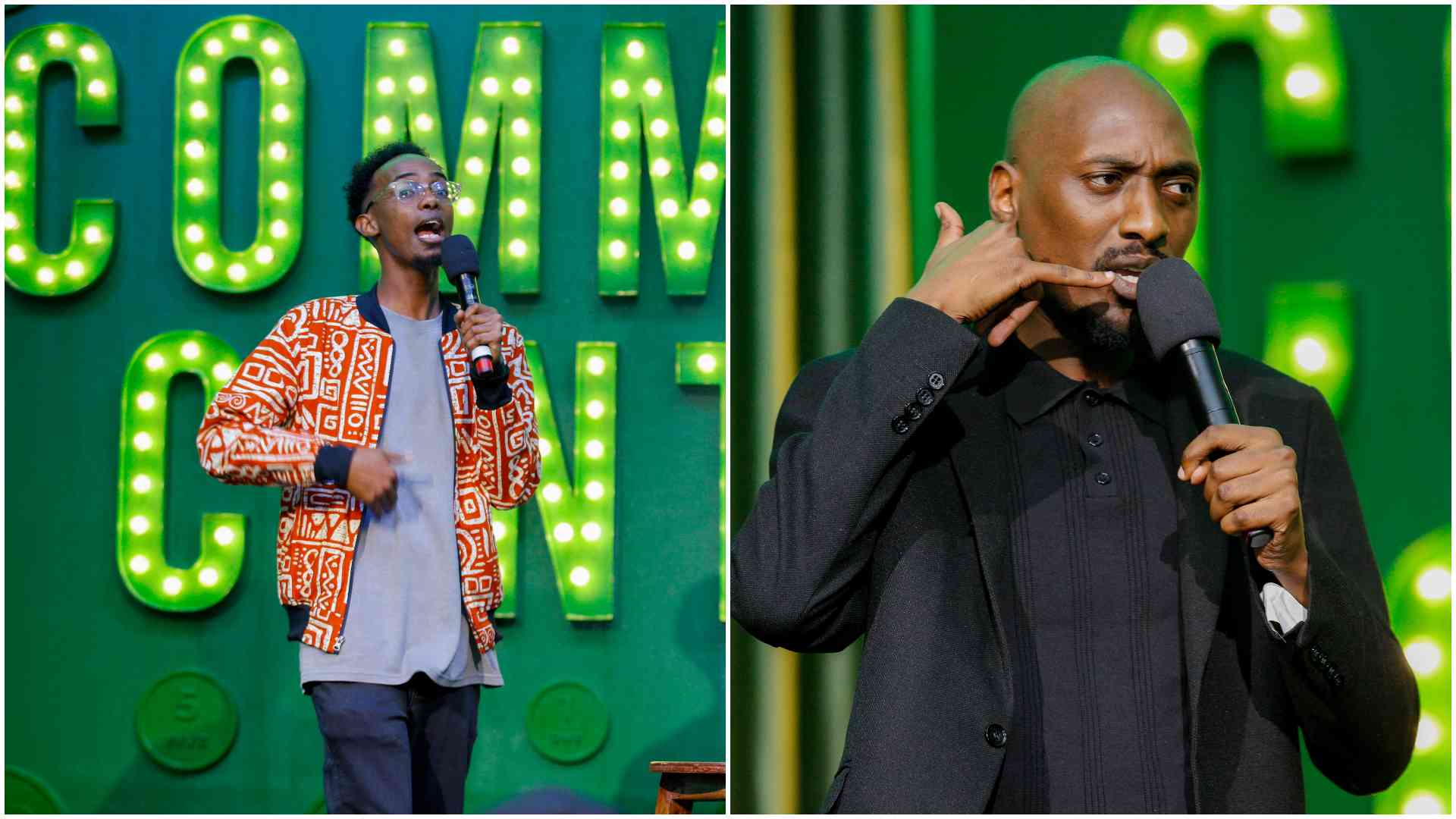
Following its Machakos show, the initiative heads to Thika, where students at Mount Kenya University will be entertained by Doug Mutai, Justine Wanda, Amandeep Jagde, Maina Murumba and Adan Abdi, collectively known as The Standup Collective.
The comedians have been tasked with incorporating practical banking lessons into their stand-up routines, drawing humour from the everyday financial habits and situations that audiences can easily identify with.
For Doug Mutai, founder of The Standup Collective, the partnership offers an opportunity to introduce the comedians and their work to new audiences while demonstrating the commercial value of stand-up comedy.
“For Standup Collective, it’s an opportunity to put the comedians and the work we’ve been building in front of new audiences. For stand-up more broadly, partnerships like this create paid opportunities for performers and writers, and demonstrate that comedy can be a serious part of a brand’s communication,” he says.
He believes money provides particularly fertile ground for comedy because financial decisions are part of everyday life, often accompanied by contradictions and habits that people readily recognise.
“Comedy starts with recognition. Someone says something on stage and you think, ‘That is exactly what I do.’ Money is full of those everyday habits and contradictions, so there’s plenty to work with,” he says.
That ability to turn familiar experiences into entertainment is precisely what makes comedians attractive to brands. In an environment where audiences routinely scroll past conventional advertisements, humour offers a way to capture attention without making the message feel like a sales pitch. A relatable skit or an unexpected punchline can make someone stop, watch and even share the content.
KCB’s Director of Digital Financial Services, Angela Mwirigi, says the initiative is intended to make financial lessons more accessible and memorable.
Through Common Cents, she says, they hope to go beyond entertainment by using humour to encourage customers to make smarter banking decisions and apply practical lessons to their everyday financial choices.
Stay informed. Subscribe to our newsletter
The appeal of this approach is also evident in the rise of comedians who have built substantial digital platforms beyond the traditional stage.
Abel Mutua, popularly known as Mkurugenzi, has transitioned from television writing and acting into digital storytelling, while Oga Obinna and Ofweneke have expanded their entertainment careers into online interview and talk-show formats featuring prominent personalities.
Their journeys illustrate how comedy and entertainment can become the foundation for independent content businesses, giving creators access to audiences and commercial opportunities beyond television and live performances.
For brands, working with such personalities offers access to established audiences and the opportunity to communicate through voices people already recognise. For comedians, it creates additional income streams through endorsements, sponsored content, corporate events and collaborations.
Tom Daktari, for instance, has used comedy in commercial endorsements by presenting products and services through skits rather than relying solely on conventional advertising scripts. By incorporating brands into storylines and punchlines, he makes the commercial message part of the entertainment.
The growing preference for such content also reflects changes in how audiences consume media. A 2025 Al Jazeera report on content consumption among younger audiences observed that Generation Z and Alpha are reshaping expectations around accessibility, engagement and personalisation. The report points to an increasingly blended media environment in which traditional and digital platforms coexist.
For comedians, this has changed not only where they perform but also how they create their material. Short videos, skits and memes have become important formats for reaching audiences who consume content in quick bursts.
As American comedian Kevin Nealon observed of changing audience habits, “People want little snippets now. They want more and more and more as quickly as possible.”
The pressure to capture attention has consequently influenced joke delivery and storytelling. Comedians must find ways to establish a connection quickly, sometimes delivering an entire comic observation in a short video rather than building towards a punchline through a lengthy routine.
However, the commercialisation of comedy also requires a delicate balance. While brands want their messages communicated, audiences still expect comedians to entertain them. An endorsement that feels forced or overly scripted can undermine the authenticity that made the comedian attractive to the brand in the first place.
Mutai believes the best partnerships are those that allow performers enough creative freedom to retain their individual styles.
“When you give comedians room to do their thing, you can communicate something useful in a way people enjoy and remember,” he says.
That freedom is important because the comedian’s greatest commercial asset is often their ability to connect with audiences through familiar experiences. Once that connection is lost, so is much of the value they bring to a brand.
As more companies recognise the influence of entertainment in shaping consumer engagement, comedy is finding a place beyond the stage. For performers, this means new audiences, paid assignments and opportunities to build businesses around their creativity.
Earlier this year, a survey conducted by OdipoDev, a Nairobi-based research and data analytics firm, analysed more than 35,000 Kenyan content creators’ video views across social media platforms between January and December 2025.
The findings show that Kenya’s creator economy generated an estimated Sh1.07 billion in payouts, with the top influencers accounting for Sh296 million from brand-sponsored content.
Comedians were among the biggest beneficiaries. Eric Omondi topped the list of social media earners, making an estimated Sh57 million in 2025, followed by fellow comedians Dem wa Facebook at Sh34 million, Jaymo Decin at Sh25 million and Tom Daktari at Sh25 million.
Their earnings placed comedy firmly among the most commercially valuable forms of online entertainment. The report noted that entertainment dominates what Kenyans consume online, with comedy emerging as the most dominant content category.
The punchline, it seems, is no longer just about getting a laugh. It can also sell an idea, communicate a lesson and, increasingly, pay the bills.







Subscribe to our newsletter and stay updated on the latest developments and special offers!