×

The Standard e-Paper
Smart Minds Choose Us
 The Standard Group Plc is a
multi-media organization with investments in media platforms spanning newspaper
print operations, television, radio broadcasting, digital and online services. The
Standard Group is recognized as a leading multi-media house in Kenya with a key
influence in matters of national and international interest.

Audio By Vocalize
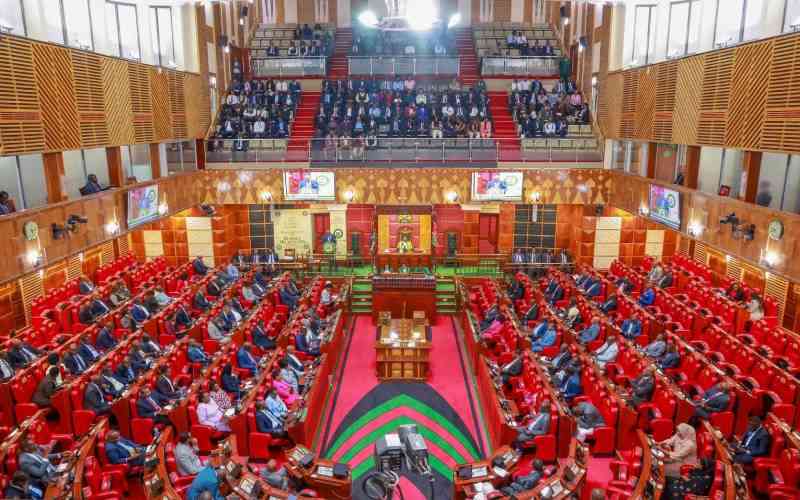
Kenyan manufacturers, suppliers and service providers are set to gain greater access to business opportunities following the passage of the Local Content Bill, 2025, by the National Assembly, in a move aimed at ensuring foreign investments translate into tangible economic benefits for the country.
The proposed legislation, sponsored by Laikipia Woman Representative Jane Kagiri, seeks to compel foreign companies operating in Kenya to prioritise locally manufactured goods, services and supplies in their procurement processes.
The Bill, which is now awaiting presidential assent, is expected to strengthen local industries, create employment opportunities and increase the participation of Kenyan enterprises in major investments.
Its passage gives a boost to President William Ruto’s efforts to promote domestic production through the Buy Kenya, Build Kenya initiative.
Initially, the Bill proposed that foreign companies source at least 60 per cent of their goods, services and supplies locally, with firms failing to meet the threshold facing punitive sanctions.
However, MPs amended the proposal, providing for the establishment of a Local Content Compliance Committee to determine and oversee compliance requirements, including recommending appropriate sanctions against companies that fail to meet their obligations.
The committee will be chaired by the Principal Secretary for Trade or a designated representative, with membership drawn from the State departments responsible for Labour and Finance, the Attorney-General’s office and the private sector.
It will also include three private sector representatives, among them representatives of foreign and local companies and an expert in trade, commerce or law.
Under the revised framework, foreign companies will be required to comply with minimum local content thresholds established through sector-specific localisation plans.
The requirements will compel companies to purchase locally manufactured products and procure services from Kenyan businesses, provided they meet prescribed quality and industry standards.
Kagiri said the legislation was necessary to ensure foreign investments create meaningful opportunities for Kenyans, particularly young people struggling to secure employment.
“It is paramount that a legal framework that would foster job creation be put in place to ensure that foreign investments in Kenya create employment opportunities for the Kenyan youth,” she said.
The sponsor argued that the absence of a comprehensive local content framework had allowed foreign firms to rely heavily on imported goods, services and labour, limiting opportunities for local manufacturers and businesses.
The practice has also denied Kenyan producers access to potentially lucrative markets, even in instances where comparable products are available locally.
The Bill cites the continued importation of agricultural supplies despite local production capacity as an example of opportunities that could be redirected to Kenyan enterprises.
Stay informed. Subscribe to our newsletter
Beyond procurement, the proposed law seeks to promote technology transfer, skills development and capacity building by requiring foreign companies to support local businesses through technical assistance and partnerships.
Each foreign company will be required to submit a local content master plan detailing how it intends to meet the prescribed requirements.
The plans will outline employment opportunities for Kenyans, skills development programmes, technology transfer initiatives and procurement targets for locally manufactured goods and services.
Companies will also be expected to demonstrate how they intend to involve women, youth, persons with disabilities and marginalised communities in their operations, alongside partnerships with Kenyan citizens and local enterprises.
The compliance committee will review and approve the master plans, monitor implementation and periodically recommend minimum local content quotas to the Trade Cabinet Secretary for incorporation into sector-specific localisation plans.
It will also ensure that the requirements remain consistent with Kenya's regional and international trade obligations.
The proposed legislation therefore seeks to address a longstanding concern over whether foreign investments generate sufficient benefits for the domestic economy.
If assented to and effectively implemented, the law could open new markets for Kenyan manufacturers, strengthen local supply chains and improve the transfer of skills and technology.








Subscribe to our newsletter and stay updated on the latest developments and special offers!