×

The Standard e-Paper
Kenya’s Boldest Voice
 The Standard Group Plc is a
multi-media organization with investments in media platforms spanning newspaper
print operations, television, radio broadcasting, digital and online services. The
Standard Group is recognized as a leading multi-media house in Kenya with a key
influence in matters of national and international interest.
The Standard Group Plc is a
multi-media organization with investments in media platforms spanning newspaper
print operations, television, radio broadcasting, digital and online services. The
Standard Group is recognized as a leading multi-media house in Kenya with a key
influence in matters of national and international interest.

Audio By Vocalize
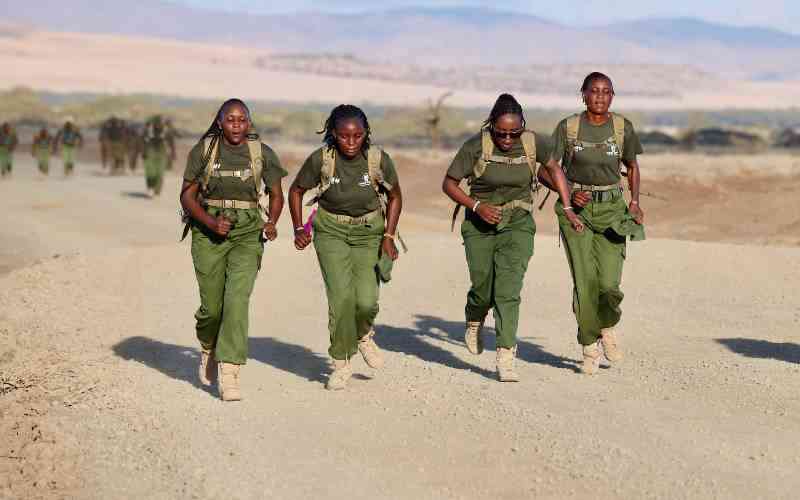
More than 50 per cent of rangers who protect wildlife in sanctuaries across Africa lack life insurance, yet their profession is fraught with uncertainties, Chantal Migongo, Chief Conservation Officer at Tusk Trust, revealed.
Ms Migongo said Game Rangers Association of Africa (GRAA) and African conservation charity Tusk Trust are working to ensure wildlife rangers in Kenya and other African countries have medical and life insurance.
She spoke at Lewa Wildlife Conservancy in Meru, during the 7th Wildlife Ranger Challenge (WRC), Africa’s largest annual campaign celebrating and supporting wildlife rangers.
More than 2,000 rangers took part in this year's event organised by Tusk and GRAA, bringing together rangers in a series of physical and mental challenges that culminated in a synchronised 21km race on Saturday, September 19.
Launched during the Covid-19 pandemic in 2020 to help keep ranger teams operating, the WRC has evolved into a continent-wide movement that raises funds for ranger welfare while increasing public understanding of the vital work rangers play in protecting wildlife, despite the numerous challenges they face.
Ms Migongo and Lewa Conservancy Head of Anti-Poaching Unit Edward Ndiritu said celebrating rangers for their work and providing them with life insurance is important.
"Being a ranger is a very difficult field. We are working very hard together through the Wildlife Rangers Standards Initiative to get rangers under medical and life insurance," she said.
The official said their aim is to see 10,000 rangers across the continent get covered by 2030.
"We recognise that being a ranger is a very lonely profession. They are out in the field by themselves for months on end, away from their families. So it (WRC) is an event where we bring them together to talk about their challenges and celebrate each other. That is really important," she said.
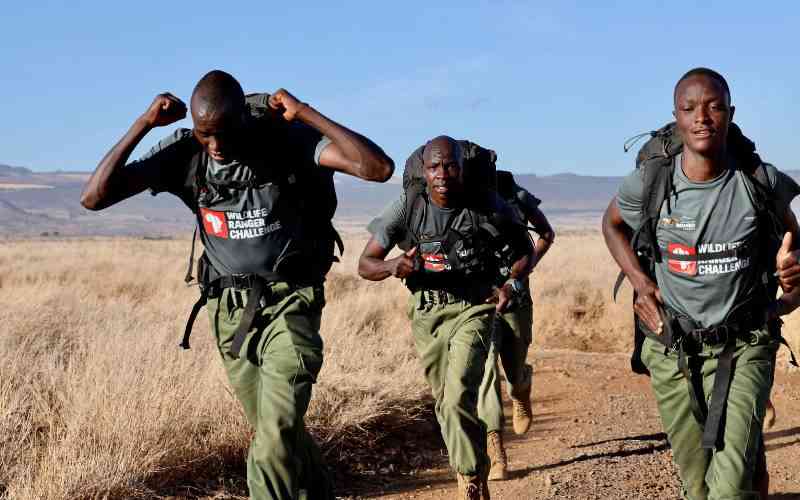
Mr Ndiritu said rangers work round the clock to keep the wildlife safe, so conservation organisations through the WRC were working to also improve their welfare.
"The majority of the rangers in wildlife conservancies do not have life insurance," he noted.
He emphasised that insurance for the rangers was the biggest 'plus' in the Wildlife Rangers Challenge, whose main goal is to raise funds for their welfare.
Rangers increasingly face organised wildlife crime, armed conflict, difficult terrain and long periods away from their families.
The funds raised support ranger welfare, training, equipment, technology and operational capacity
Stay informed. Subscribe to our newsletter
Including expected funds from the 2026 event, the Wildlife Ranger Challenge is set to have raised more than 28 million USD for frontline ranger teams over the last seven years.
The rangers are the people responsible for protecting many of Africa’s most important landscapes and wildlife species, including large land mammals and all other wild terrestrial and marine animals, medicinal plants, foraged fruits and food, forests, and wetlands.
These landscapes and species are of great economic importance, both to people subsisting on what their environment supplies, and for valuable and growing businesses in ecotourism, hunting and fishing, wildlife ranching, forest products, and carbon markets.
Stanley Momposhikashu, a ranger in the Mountain Bongo men's team that emerged winners, said racing while carrying a load (22kg for men and 10kg for ladies) was 'gruelling'.
"The race was tough. It was so hot, but drinking some water on the route helped some," he said.
He said spending long days and nights in the jungle guarding wildlife against poachers, illegal loggers and other criminals was tough.
"I love working as a ranger and I appreciate the challenges that come with the territory," he said.
Eunice Peneti, a ranger at Olgulului Conservancy in the Amboseli ecosystem, said: "Working as rangers is especially challenging for us as women. But it is also a job that we love."





Subscribe to our newsletter and stay updated on the latest developments and special offers!







 join
join