×

The Standard e-Paper
Home To Bold Columnists
 The Standard Group Plc is a
multi-media organization with investments in media platforms spanning newspaper
print operations, television, radio broadcasting, digital and online services. The
Standard Group is recognized as a leading multi-media house in Kenya with a key
influence in matters of national and international interest.
The Standard Group Plc is a
multi-media organization with investments in media platforms spanning newspaper
print operations, television, radio broadcasting, digital and online services. The
Standard Group is recognized as a leading multi-media house in Kenya with a key
influence in matters of national and international interest.

Audio By Vocalize
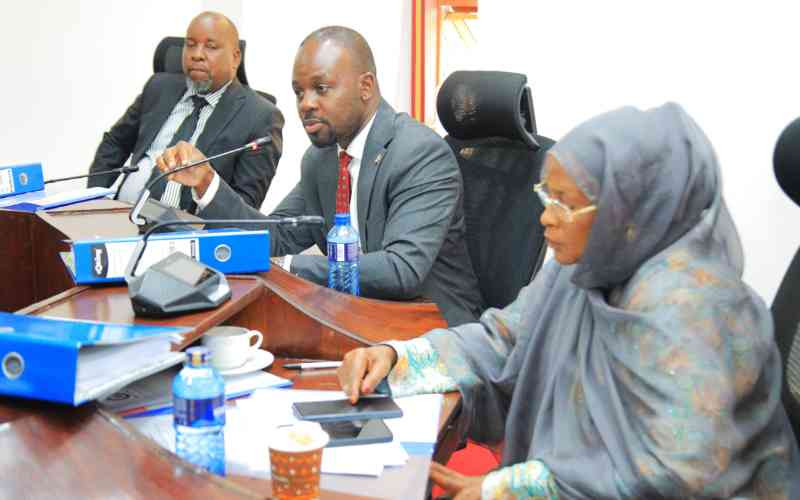
The Senate’s County Public Accounts Committee is worried that governors continue to ignore summons to appear before it to respond to audit queries.
Senate Deputy Speaker Kathuri Murungi says governors will be forced to appear once summoned and that they have 30 days to comply. This standoff reflects negatively on both cadres of leadership, where the one that is supposed to investigate corruption is being accused of the vice.
Public funds, we all must agree, are not personal money. Every shilling that flows into a county government comes from taxpayers, and those taxpayers, through their elected representatives, have every right to ask where it went. That is a requirement of the law.
The Auditor General has repeatedly revealed that county governments waste money, misuse allocations, and in some cases, funds simply vanish. These are not allegations invented by senators with political scores to settle. They are documented findings. When governors refuse to appear before SCPAC to explain themselves, they are spitting on accountability itself.
SCPAC chair Moses Kajwang said some governors would rather pay a Sh500,000 fine than face scrutiny. Think about that for a moment. A governor who manages billions in county allocations finds it easier to pay a fine than answer questions about where that money went. If that does not tell you something about the state of accountability in Kenya, nothing will.
And yet, we cannot pretend this is entirely one-sided. Corruption in Kenya does not start at the bottom. It flows from the top down, filters through institutions, and eventually corrodes everything it touches. That includes oversight bodies. The concern raised by governors, that SCPAC sometimes overreaches or operates in ways that raise procedural questions, cannot simply be dismissed.
Oversight committees must act within the law. If senators want governors to respect constitutional obligations, senators must equally respect constitutional boundaries. You cannot demand accountability while being accused of failing to do so yourself.
But governors must understand that vague, blanket complaints about SCPAC will not do. If there are specific instances where the committee acted unlawfully, name them. Document them. Challenge them through proper legal channels. That is how credible institutions behave. What is not acceptable is using generalised grievances as a shield against legitimate audit questions.
Kenya’s devolution project has enormous potential. Counties are closer to the people, and county governments, when they function well, deliver real change in real lives. That potential is being quietly strangled by this culture of impunity; governors who ghost committees, senators who sometimes grandstand, and a public left wondering whether anyone in charge is actually serious.
The Senate and the Council of Governors must stop performing this tired drama and sit down to resolve their differences. Complement each other. That is, after all, what the Constitution intended.








Subscribe to our newsletter and stay updated on the latest developments and special offers!








 join
join