×

The Standard e-Paper
Join Thousands Daily
 The Standard Group Plc is a
multi-media organization with investments in media platforms spanning newspaper
print operations, television, radio broadcasting, digital and online services. The
Standard Group is recognized as a leading multi-media house in Kenya with a key
influence in matters of national and international interest.
The Standard Group Plc is a
multi-media organization with investments in media platforms spanning newspaper
print operations, television, radio broadcasting, digital and online services. The
Standard Group is recognized as a leading multi-media house in Kenya with a key
influence in matters of national and international interest.

Audio By Vocalize
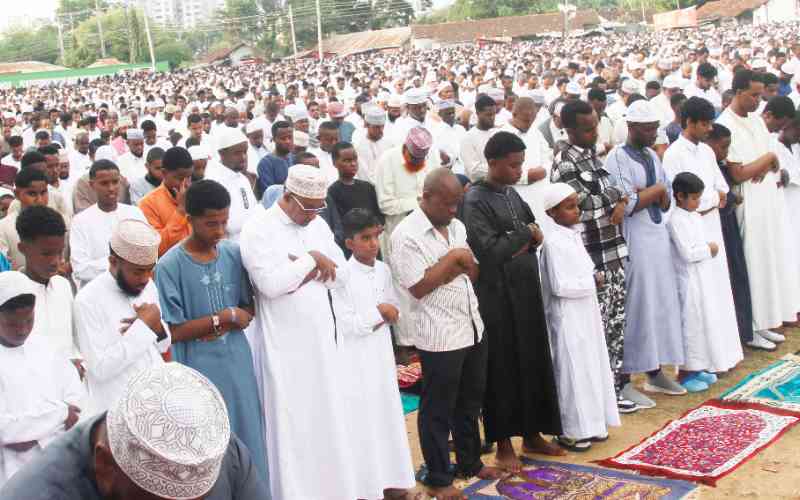
Muslims offer Eid al-Fitr prayers at Tononoka grounds in Mombasa on March 20, 2026. [Maarufu Mohamed, Standard]
Ramadan, the ninth month of the Islamic lunar calendar, is a time of deep spiritual reflection, increased worship and a strong sense of community among Muslims worldwide.
During the sacred month, mosques are often filled as believers gather for Taraweeh prayers, recite the Quran and engage in acts of charity.
The spirit of Ramadan, which emphasises discipline, devotion and compassion, encourages many Muslims to strengthen their relationship with Allah and with one another.
Prophet Muhammad highlighted the virtue of the month when he said that whoever stands in prayer during Ramadan with faith and hope for reward will have their past sins forgiven. This promise inspires many to dedicate more time to prayer and worship.
However, once Ramadan ends, mosque attendance often declines. The enthusiasm and collective energy that characterise the holy month gradually fade as people return to their daily routines.
Several factors explain this shift. During Ramadan, the unique atmosphere created by fasting, nightly prayers and communal activities naturally motivates believers to increase their devotion.
When the month concludes, that shared environment disappears and individuals resume work schedules, family responsibilities and other commitments that limit their time for extra acts of worship.
Physical and mental fatigue after a month of fasting and late-night prayers can also make it difficult to maintain the same pace.
From an Islamic perspective, this pattern is understandable but it also invites reflection. The Quran emphasises the importance of maintaining worship and righteousness throughout the year. Believers are urged to establish prayer, give charity and obey the teachings of the Prophet. Islam also stresses consistency in good deeds. Prophet Muhammad taught that the most beloved actions to Allah are those done regularly, even if they are small. This message encourages Muslims to view Ramadan not as an endpoint but as a foundation for lasting spiritual discipline.







Subscribe to our newsletter and stay updated on the latest developments and special offers!







 join
join