×

The Standard e-Paper
Join Thousands Daily
 The Standard Group Plc is a
multi-media organization with investments in media platforms spanning newspaper
print operations, television, radio broadcasting, digital and online services. The
Standard Group is recognized as a leading multi-media house in Kenya with a key
influence in matters of national and international interest.
The Standard Group Plc is a
multi-media organization with investments in media platforms spanning newspaper
print operations, television, radio broadcasting, digital and online services. The
Standard Group is recognized as a leading multi-media house in Kenya with a key
influence in matters of national and international interest.

Audio By Vocalize
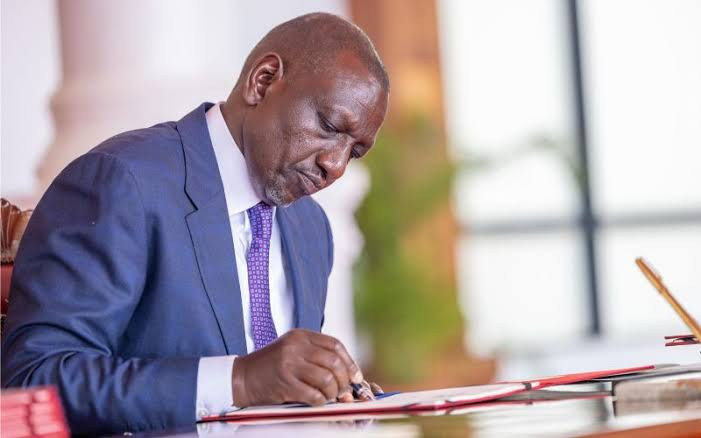
It is now widely acknowledged that President William Ruto assumed office at a moment of acute fiscal strain, with Kenya facing mounting concerns over debt sustainability and the prospect of sovereign default. Under his administration, however, the country avoided that outcome.
Among a group of six African economies identified by international observers as being at elevated risk of debt distress, Kenya distinguished itself by meeting its external debt obligations in full. While several peers defaulted on international instruments, Kenya honoured its maturing liabilities, preserving its standing in international capital markets.
The government’s stewardship of the economy is now reflected in a range of encouraging macroeconomic indicators. The shilling has stabilised at roughly Sh130 to the US dollar. Foreign-exchange reserves have remained comfortably above the statutory minimum of four months’ import cover. Inflation, meanwhile, has kept within the Central Bank of Kenya’s target range of 5 per cent, plus or minus 2.5 percentage points.
Yet these reassuring aggregates conceal a more sobering reality. Macroeconomic stability has been secured at a considerable cost to households and businesses. Fiscal consolidation has translated into increasingly aggressive tax collection, while a substantial share of government revenue has been absorbed by public debt servicing. Once recurrent expenditure is met, little fiscal space remains for development spending, which is the very spending that has historically underpinned Kenya’s economic expansion.
The result has been a widening disconnect between favourable headline indicators and the lived experience of ordinary Kenyans. Public frustration has periodically erupted into unrest, animated by a common refrain: There is simply too little money in people’s pockets. At the beginning of last year, this column welcomed the President’s success in restoring macroeconomic stability, but argued that the next imperative was to revive the microeconomy.
Among the measures proposed were the prompt settlement of pending bills owed to contractors, many inherited from the previous administration; the resumption of major infrastructure projects capable of stimulating economic activity; and a determined assault on the corruption that has, since independence, become entrenched across every level of government.
It is encouraging that the government has moved beyond rhetoric to implementation. Significant progress has been recorded in settling outstanding bills through proceeds from the securitisation of the Road Maintenance Levy Fund, easing liquidity constraints that have long burdened businesses.
At the same time, ambitious infrastructure investments have gathered momentum, notably, the dualling of the Rironi-Mau Summit highway, the planned extension of the Standard Gauge Railway to Kisumu and Malaba and the award of contract to expand Jomo Kenyatta International Airport.
Efforts to curb corruption by addressing its systemic roots through technology are commendable. The rollout of the electronic Government Procurement system across all levels of government, alongside the introduction of Treasury Single Account, accrual accounting and zero-based budgeting, reflects a determined push to strengthen transparency, fiscal discipline and public accountability.
Perhaps most consequential, however, are initiatives aimed at confronting the country’s youth bulge and the economic frustration that accompanies it. Foremost among them is the National Youth Opportunities Towards Advancement programme, a Sh5 billion partnership between the World Bank and the government. Under the leadership of the State Department for MSME Permanent Secretary Susan Mang’eni, it is an expanding opportunity for vulnerable and underemployed youth nationwide.
Mr Khafafa is a public policy analyst



Subscribe to our newsletter and stay updated on the latest developments and special offers!








 join
join