×

The Standard e-Paper
Home To Bold Columnists
 The Standard Group Plc is a
multi-media organization with investments in media platforms spanning newspaper
print operations, television, radio broadcasting, digital and online services. The
Standard Group is recognized as a leading multi-media house in Kenya with a key
influence in matters of national and international interest.

Audio By Vocalize
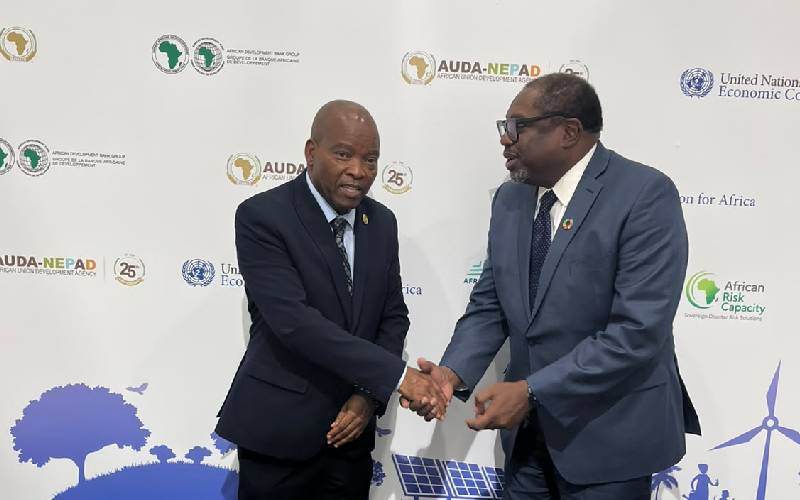
The Rockefeller Foundation has urged all stakeholders not to tire in championing and treating climate change as a health risk.
The foundation said it is still committed to its resolve of bringing partners together to scale solutions for people and the planet.
Foundation’s Africa Regional Office Director Wadzanayi Muchenje in a statement said this includes championing regenerative school meals as a climate solution, protecting recent progress on treating climate as a health risk, and building support for energy abundance as the engine of poverty reduction.
“As leader gather for COP31 in Antalya, Africa finds itself on the frontline of climate change, while also dealing with a profound shift in the aid and development finance landscape,” he said, noting that African nations have made great strides on climate action, building climate resilience into sectors such as health, food and energy and we must continue this progress.
“For Africa, that process must be African-led. The Rockefeller Foundation’s experience across the continent has consistently shown that sustainable development works best when countries and communities set the priorities, with philanthropy, multilateral institutions and the private sector helping to unlock finance, expertise and innovation around them,” he said.
Wadzanayi said the plan aligns with the ongoing COP31 and the road to COP32 in Addis Ababa.
“COP32 in Ethiopia will bring Africa to the world and The Rockefeller Foundation will continue to work with partners to ensure meaningful progress is made between Antalya and Addis Ababa,” he said.
The COP31 climate talks kicked off earlier in the month with a fight over money as United Nation's chief urged world leaders to "get serious" about tackling the crisis after a year of devastating weather extremes.
Guterres made his plea as thousands of participants descended on a sprawling expo center in the Turkish Mediterranean city of Antalya for the UN's annual two-week climate conference.
The summit comes after a year of punishing heatwaves in Europe, major wildfires in Indonesia and catastrophic floods in Nepal, with an exceptionally strong El Nino weather phenomenon fueling more climate chaos.
Earlier on, the Council of Governors had said community engagement remains the key to dealing with climate change which has become a key point not just in Kenya but the world over.
Chairperson Muthomi Njuki said the Financing Locally-Led Climate Action (FLLOCA) programme, a multi-donor led initiative to which county governments also contribute, has been critical in pushing for a reduction in climate change effects since the community is leading from the front.
Njuki who doubles up as Governor of Tharaka Nithi County said FLLOCA money flows directly from the treasury, to the devolved units, to the wards, and to the communities that have designed the programme.
“That is why we have been able to sort out crises of water, agriculture, health, and infrastructure that has been brought about by the climate change. And we dare say that all the other programmes should follow the same model, where we do not allow money to sit in treasury with the ministries with their straws in it, and planning programmes that have a lot of recurrent expenditure in terms of capacity building, and seminars, and workshops, and very little going to development,” he said.
Stay informed. Subscribe to our newsletter





Subscribe to our newsletter and stay updated on the latest developments and special offers!