×

The Standard e-Paper
Kenya’s Boldest Voice
 The Standard Group Plc is a
multi-media organization with investments in media platforms spanning newspaper
print operations, television, radio broadcasting, digital and online services. The
Standard Group is recognized as a leading multi-media house in Kenya with a key
influence in matters of national and international interest.
The Standard Group Plc is a
multi-media organization with investments in media platforms spanning newspaper
print operations, television, radio broadcasting, digital and online services. The
Standard Group is recognized as a leading multi-media house in Kenya with a key
influence in matters of national and international interest.

Audio By Vocalize
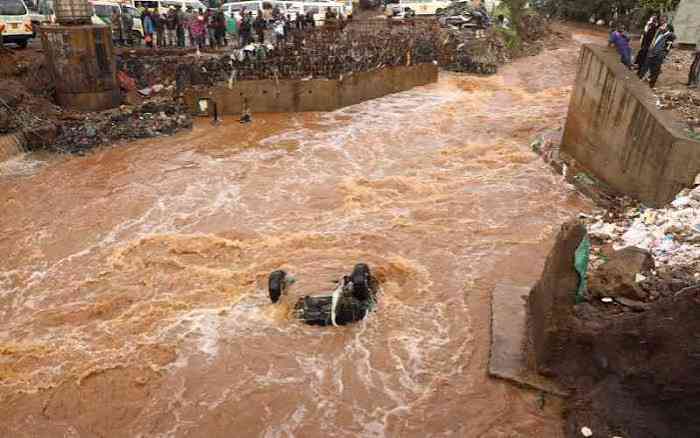
A section of North Eastern leaders wants the government to move plans on preparedness for El Nino rains from paper to tangible action on the ground.
According to the leaders, the State must break away from the convoluted government bureaucracies and immediately start implementation of the coordinated disaster response approach to avert the after effect of the Elnino rains.
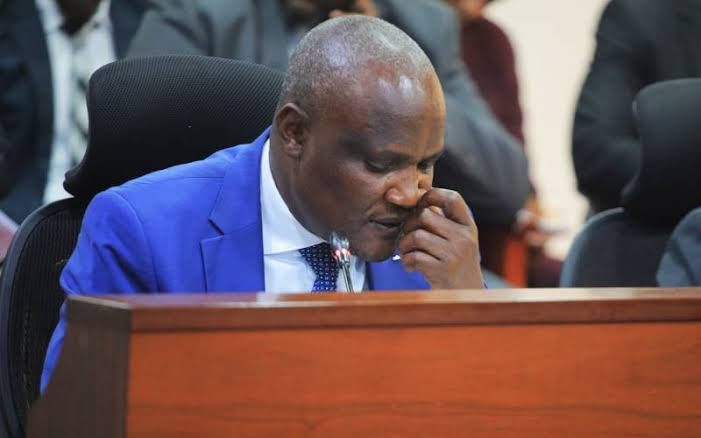
Led by United Democratic Movement (UDM) party leader and Mandera Senator Ali Roba, Mandera Governor Mohamed Adan and a host of Parliamentary leadership from the North Eastern region, the leaders further want the government to disclose the emergency resources allocated for anticipatory action, emergency response and post-flood recovery.
“Preparedness must be measurable. Kenyans should know what has been planned, what has been funded, what has already been implemented, what remains outstanding and who is responsible,” the leaders said in a statement.
While appreciating the government’s early warning on the heavy rains, the leaders urged the National and county governments to urgently establish the actual operational state of preparedness in every high-risk county.
“This should include mapping flood-prone settlements and vulnerable infrastructure; identifying evacuation centers and routes; pre-positioning food, medicines, water-treatment supplies and rescue equipment; inspecting bridges, roads and culverts; clearing drainage systems; strengthening disease surveillance; and ensuring that water infrastructure across the ASALS is repaired, desilted and ready to capture the anticipated rainfall,” the leaders maintained.
They stressed that special attention must be given to children, older persons, persons with disabilities and communities in remote livestock-keeping areas where access to emergency services is particularly difficult.
“We also call for a coordinated national public-information campaign. Climate information must leave government offices and reach the people who actually face the danger,’ they said.
On transparency and accountability about handling the whole process, the leaders cautioned the relevant government officers involved in El Nino preparedness that the opportunity should not be an excuse for inflated tenders, panic procurement or misuse of public resources.
“Every shilling allocated must deliver measurable protection to Kenyan lives, livelihoods and public infrastructure, Success should not be measured by how much the Government spends after disaster strikes. It should be measured by how much disaster we prevent before it strikes,” Roba said on behalf of the leaders.
According to Roba, the leaders were concerned whether the existing plans and institutional mechanisms were sufficiently funded, coordinated, decentralized and operationally ready to deal with an El Niño event of the magnitude currently being projected.
“UDM is particularly concerned about Kenya's Arid and Semi-Arid Lands. Counties including Mandera, Wajir, Garissa, Marsabit, Isiolo, Tana River and Turkana could move rapidly from drought conditions to flood emergencies,” he said.
He added “Dry and compacted soils may have limited capacity to absorb sudden and intense fall, allowing water to move rapidly through seasonal rivers, laggas, drainage channels and low-lying settlements. Particular attention is required along the Daua River in Mandera, the Tana River system and its flood plains, and other historically vulnerable areas.”
Stay informed. Subscribe to our newsletter
The leaders want the areas mapped and prepared before the rains begin, not after communities have suffered loss of life, displacement and destruction of property and livelihoods.
Additionally, the leaders noted that activities to avert the negative effects if Elnino should be seen in The lower Tana Basin, Nyando Basin, Budalang'i and the lower Nzoia Basin, coastal river systems and vulnerable settlements in Nairobi and other urban centers saying blocked drainage systems were not an emergency problem for November but were a governance problem for today.
They maintained that rainfall should be treated as the country’s greatest natural resources and should be used to replenish aquifers, dams, pans and boreholes, regenerate pasture, improve livestock conditions and milk production; support agriculture; and provide much-needed relief following repeated drought cycles.
“Our challenge is therefore to harvest the benefits of El Niño while minimizing its destructive consequences. National and county governments should accelerate the desilting of water pans, rehabilitation of dams and reservoirs, repair of boreholes and expansion of water-harvesting infrastructure. Every litre of water safely stored during a period of abundance is an investment against the next drought,’ Roba added.




Subscribe to our newsletter and stay updated on the latest developments and special offers!






 join
join