×

The Standard e-Paper
Stay Informed, Even Offline
 The Standard Group Plc is a
multi-media organization with investments in media platforms spanning newspaper
print operations, television, radio broadcasting, digital and online services. The
Standard Group is recognized as a leading multi-media house in Kenya with a key
influence in matters of national and international interest.
The Standard Group Plc is a
multi-media organization with investments in media platforms spanning newspaper
print operations, television, radio broadcasting, digital and online services. The
Standard Group is recognized as a leading multi-media house in Kenya with a key
influence in matters of national and international interest.

Audio By Vocalize

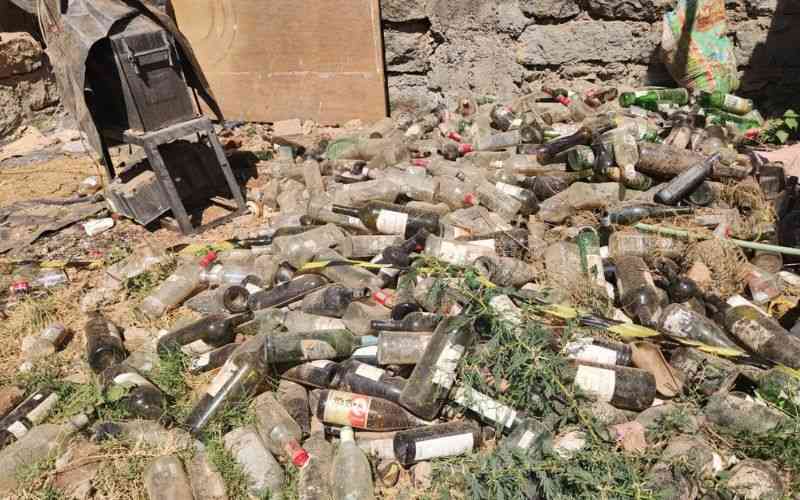
Illegal Chang'aa brewing on the river banks of Mathare Valley, Nairobi County. [File, Standard]
The menace of illicit brews in the Central Kenya region refuses to go away despite efforts to end it. At the centre of all this is the matter of a lack of political goodwill to end the problem.
A handful of unscrupulous businessmen cannot outwit the full government machinery to continue trading in death with such impunity. The numbers alone indict the State. Kenya loses Sh120 billion in tax revenue annually to illicit alcohol, with such products now commanding 60 per cent of the total market.
That figure represents schools not built, under-equipped hospitals and unpaved roads. Every shilling lost to a backyard distiller is a shilling stolen from the public. Families are being hollowed out. Men are being reduced to vegetables by drinks laced with industrial methanol, formalin or pesticides.
Communities are losing the male population not to migration or war, but to a bottle of poison sold cheaply at an unlicensed den. Blindness, liver failure, and sudden death have become weekly occurrences. Children grow up fatherless. Wives become widows and entire villages age without young men.
Former Deputy President Rigathi Gachagua understood the urgency. His crackdown yielded measurable progress in the region. Those gains have since evaporated, swallowed by the inertia of those who replaced resolve with rhetoric.
What is now required is action, not the formation of more committees. The Alcoholic Beverages Association of Kenya has laid out a blueprint, which includes mandatory KRA excise stamps, a national digital traceability system, a multi-agency enforcement body, and sustained crackdowns at border points. These are common-sense interventions.
Both national and county governments must stop treating this as a political football. Licensing, enforcement, and prosecution must work in concert. Leaders from the affected regions, especially, must stop protecting the barons who bankroll their campaigns while poisoning their constituents.





Subscribe to our newsletter and stay updated on the latest developments and special offers!







 join
join