×

The Standard e-Paper
Fearless, Trusted News
 The Standard Group Plc is a
multi-media organization with investments in media platforms spanning newspaper
print operations, television, radio broadcasting, digital and online services. The
Standard Group is recognized as a leading multi-media house in Kenya with a key
influence in matters of national and international interest.

Audio By Vocalize
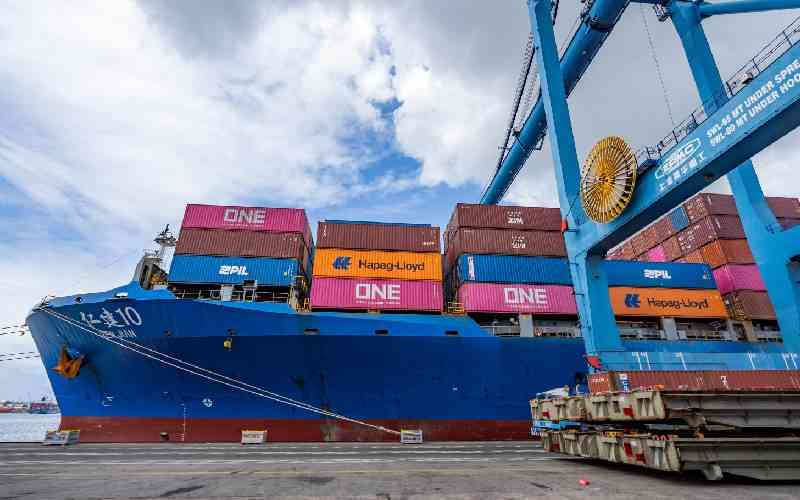
Shippers Council of Eastern Africa (SCEA), representing importers and exporters, has flagged gaps in the new mandatory Digital Marine Cargo Insurance (DMCI) system and issued a raft of recommendations, while calling for its urgent streamlining.
The government, through the Insurance Regulatory Authority (IRA), rolled out the system on November 1 this year.
Kenyan importers and exporters complained about the DMCI system's instability and teething problems, calling for its temporary suspension to allow for consultations.
The cargo owners said the digital platform has remained unstable and unpredictable, affecting the timely processing and verification of insurance certificates.
SCEA noted that a significant number of insurance companies and brokers are yet to be fully onboarded onto the system, creating bottlenecks in accessing and processing marine insurance cover.
SCEA members sought clarification from IRA on the role of Kenya International Freight and Warehousing Association (Kifwa) on the digital marine insurance system, particularly whether it is acting as an insurance agent, broker, platform operator or in another capacity.
They questioned the legal and regulatory basis on which Kifwa is involved in providing a platform for issuing insurance cover, as well as the applicable charges, responsibilities and accountability arrangements.
"Clarify and formally communicate Kifwa's role in the framework, including whether it is acting as a licensed insurance agent or broker, a technology/platform service provider or in another capacity. Disclose the legal and regulatory basis for its participation and authority to facilitate or issue cover, the identity of the underwriting insurer, the charges collected, and the parties accountable for policy issuance, customer support and complaints," SCEA argued.
And in a presentation to the IRA on November 12, the shippers noted that the current insurance validity period is 90 days but argued that long transit times, port delays and exceptional circumstances, including war, may cause shipments to exceed this period.
They noted that proposed extensions range from 120 days to one year, and that authorities can use policy reference numbers to track cover against shipment documentation.
The lobby recommended reviewing the 90-day validity period and considering a more flexible period or extension mechanism that accommodates long transit times, delays, and exceptional circumstances.
The lobby wants authorities to use reference numbers to support verification and tracking. Shippers also want the marine cover to be based per voyage.
The association also noted that the regulations on the local marine cargo insurance have been on and off the table since 2017, and the current implementation commenced without sufficient consultation or public participation or standardised guidelines.
"The governing principles, implementation procedures, charges, and accountability arrangements require clarification," said the association.
The shippers called for development and publication of comprehensive operational regulations and standardised guidelines through meaningful stakeholder consultations and public participation, with authorities clearly communicating the governing framework, roles, charges and accountability arrangements before full implementation.
Stay informed. Subscribe to our newsletter
They want IRA and relevant industry stakeholders to ensure local insurers' underwriting and claims-paying capacity, including transparency on financial strength, reinsurance arrangements and ability to meet claims arising from major or catastrophic losses.
The cargo owners also want the current system to be configured with Kifwa, IRA, and eCitizen to adequately address and incorporate the concerns raised by stakeholders, including handling of partial shipments.
"This will allow sufficient time to resolve the identified system and operational challenges, ensure stakeholder readiness and facilitate a smooth and effective implementation," they stated.
They sought a review of the framework to recognise or accommodate qualifying annual open marine covers, subject to the law and clarify how existing covers will be treated to prevent duplicate payments and unnecessary increases in cargo owners' costs.
The shippers want the insurance premium to be calculated based on the actual Advance Cargo Declaration (ACD) or commercial invoice value of the shipment rather than the Import Declaration Form (IDF) value, which may not always reflect the final shipment value at the time of declaration.
"This would ensure that premiums are accurately assessed against the actual value of the goods and prevent instances of overcharging or underinsurance,” they noted.
They want a credit or refund mechanism for cases where the IDF value used to calculate the insurance premium exceeds the actual value of the imported goods as reflected in the final commercial invoice or ACD.
In the presentation, the association also seeks an explanation and breakdown of the 15 per cent IDF conversion fee, including its legal and operational basis, how it is calculated, and which party is responsible for collecting it.
"Review the justification for the charge and consider its removal if it is not adequately justified. If the fee is to cover administrative costs, consider reducing it to three per cent (make local cover competitive and attractive)," they argued.
SCEA Chief Executive Agayo Ogambi observed that the system challenges and new compliance requirements have significantly slowed cargo clearance and evacuation processes.
“Importers are incurring additional storage, shipping line demurrage and related logistics costs due to clearance delays,” he stated.
The DMCI system requires all imported goods to be insured exclusively through local underwriters licensed by the IRA.
The council noted that delayed delivery of imported raw materials, machinery and essential inputs has affected manufacturing schedules, production continuity, and business operations.
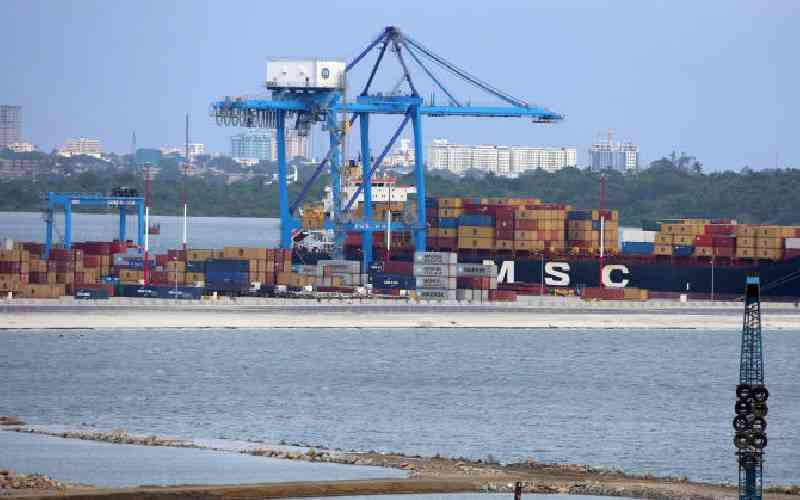
They stated that slow cargo evacuation has contributed to congestion at the port of Mombasa, Container Freight Stations (CFSs) and Inland Container Depots (ICDs).
“These current delays are part of what makes Mombasa port fare badly in the global rankings, and we blame Kenya Ports Authority,” said Ogambi.
According to Ogambi, the regulations may be good for developing the insurance industry and the economy, but the implementation should be stopped to allow for further consultations.
“However, the implementation is causing serious challenges, and there is a need for a temporary stop to allow further consultations and address the serious gaps. As it is currently, businesses are struggling with serious delays and increasing costs of storage,” Ogambi added.
The council urged IRA to institute an implementation team consisting of key stakeholders and to support their technical teams.







Subscribe to our newsletter and stay updated on the latest developments and special offers!