×

The Standard e-Paper
Smart Minds Choose Us
 The Standard Group Plc is a
multi-media organization with investments in media platforms spanning newspaper
print operations, television, radio broadcasting, digital and online services. The
Standard Group is recognized as a leading multi-media house in Kenya with a key
influence in matters of national and international interest.
The Standard Group Plc is a
multi-media organization with investments in media platforms spanning newspaper
print operations, television, radio broadcasting, digital and online services. The
Standard Group is recognized as a leading multi-media house in Kenya with a key
influence in matters of national and international interest.

Audio By Vocalize
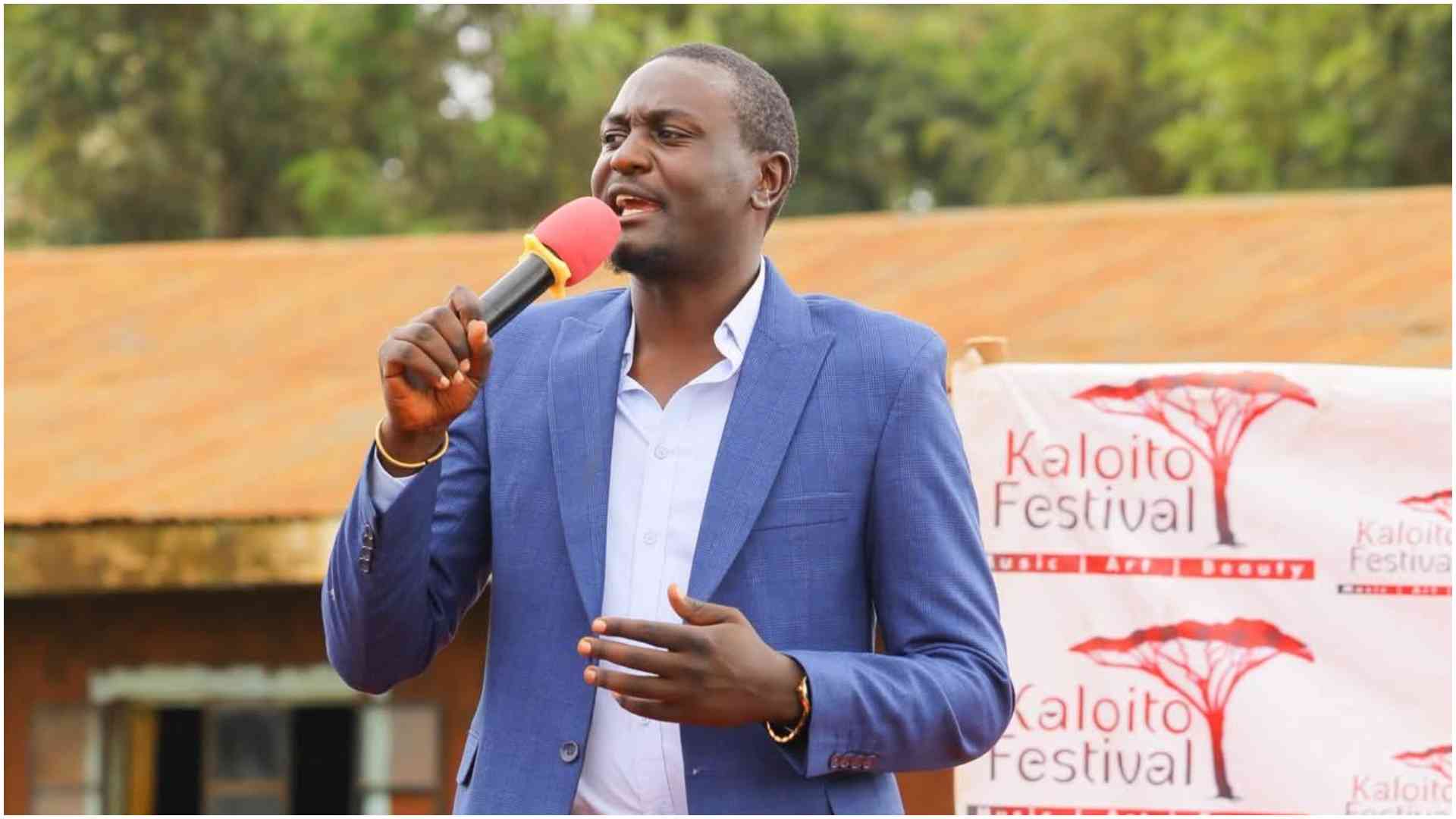
As Kenya’s entertainment calendar lights up during the festive season, concerts, festivals and cultural showcases appear to flourish. But beneath the packed venues and viral performances lies a troubling reality: much of the country’s artiste-led activity is increasingly dependent on political patronage.
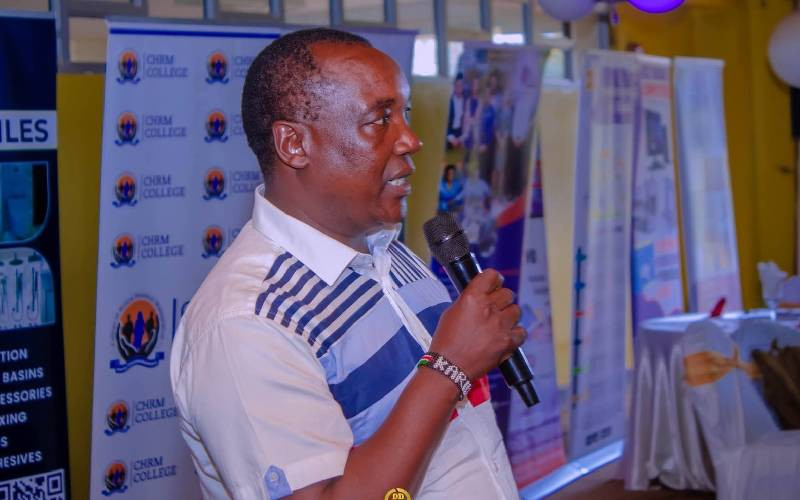
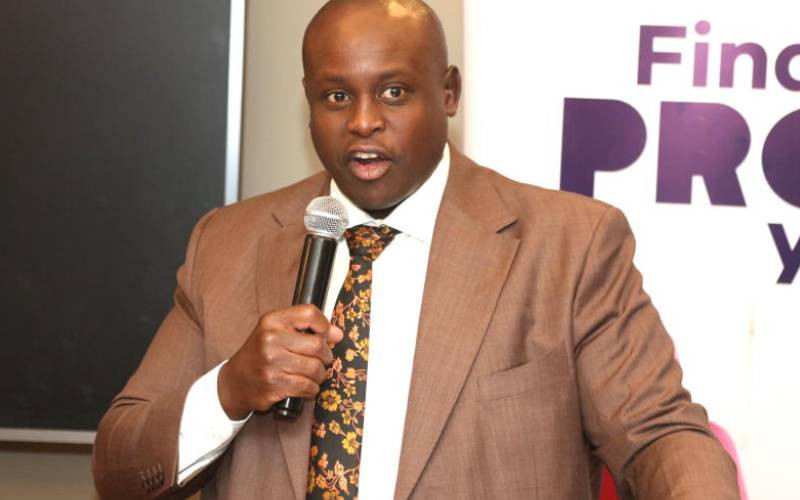
This uncomfortable truth took centre stage at the recent Kaloito Festival, where media personality and creative practitioner Dominic Kimittah, popularly known as Mamboleo, questioned the sustainability of an arts industry that survives largely at the mercy of politicians; particularly during the holidays.
According to Kimittah, many end-of-year shows would simply not happen without politicians stepping in to bankroll stages, sound, logistics and publicity. While such support keeps artists working and audiences entertained, it comes at a cost.
“When art survives on political goodwill, it becomes seasonal, selective anCreatid fragile,” he said, warning that creatives are often left stranded once the festive mood and political visibility fades.
Kimittah observed that in the absence of structured public and private arts funding, politicians have quietly become the biggest sponsors of entertainment events. December concerts, community festivals and even talent showcases are frequently tied to political branding, campaign messaging or strategic visibility.
The result is an industry that peaks during election cycles and holidays, then struggles to sustain momentum for the rest of the year.
This overreliance, he argued, has also distorted priorities, with some events designed less around artistic growth and more around political optics. Creatives are left navigating unspoken expectations, while organisers tailor programming to suit funders rather than audiences or artistic merit.
Perhaps the clearest casualty of this funding model has been the quiet disappearance of once-prominent national creative platforms. Kimittah pointed to the collapse of several pageantry competitions, which failed not because of lack of talent or public interest, but due to dwindling sponsorship and institutional support.
“These competitions were pipelines — for modelling, fashion, media and international exposure,” he said. “When they died, they took entire career pathways with them.”
Unlike short-term political sponsorship, pageantry requires consistent investment, long-term branding and professional management — elements that are difficult to sustain in an ecosystem built on seasonal handouts.
For many artists, political funding presents a moral and professional dilemma. Turning down support often means shelving projects entirely, while accepting it risks being associated with partisan agendas. Younger creatives, especially those outside Nairobi, are the most vulnerable.
At forums like Kaloito Fest, artists repeatedly raised concerns about limited access to corporate sponsorships, grants and institutional partnerships, leaving them with few alternatives beyond political backing.
Kimittah argued that this dependency undermines artistic independence and stunts industry growth, creating a cycle where creatives are celebrated as entertainers but not supported as professionals.
Subscribe to our newsletter and stay updated on the latest developments and special offers!






 join
join