×

The Standard e-Paper
Smart Minds Choose Us
 The Standard Group Plc is a
multi-media organization with investments in media platforms spanning newspaper
print operations, television, radio broadcasting, digital and online services. The
Standard Group is recognized as a leading multi-media house in Kenya with a key
influence in matters of national and international interest.
The Standard Group Plc is a
multi-media organization with investments in media platforms spanning newspaper
print operations, television, radio broadcasting, digital and online services. The
Standard Group is recognized as a leading multi-media house in Kenya with a key
influence in matters of national and international interest.
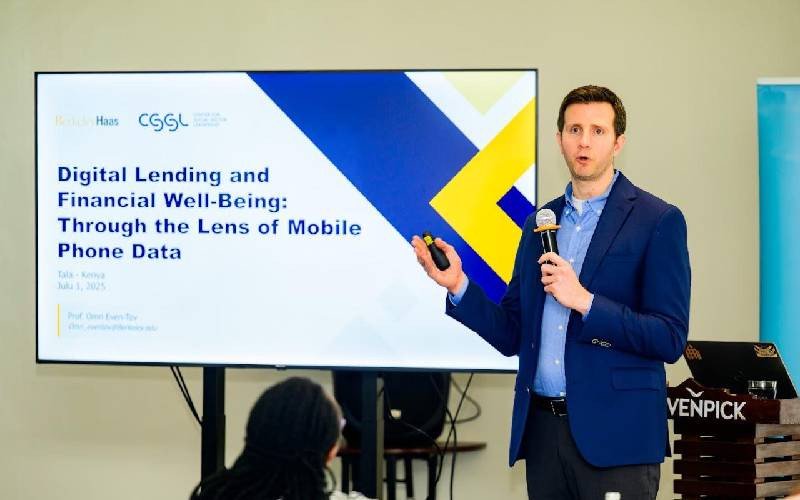
Digital lending is significantly boosting financial well-being, income, and employment for borrowers in Kenya, challenging long-held assumptions about credit risk in emerging markets, according to a pivotal new study. The research, co-authored by academics from Harvard Business School, the University of California, Berkeley, the University of British Columbia, and Northwestern University, suggests a powerful role for mobile data in expanding financial access.
The study, titled 'Digital Lending and Financial Well-Being: Through the Lens of Mobile Phone Data', utilised fully de-identified and anonymised datasets provided by Tala, a prominent digital lender in Kenya. Researchers conducted a rigorous causal inference analysis on a sample of 20,092 borrowers, specifically focusing on individuals who were randomly approved for loans despite their credit profiles suggesting rejection. This unique methodological approach allowed the team to isolate the direct impact of digital credit, mitigating concerns about selection bias inherent in traditional lending.
Subscribe to our newsletter and stay updated on the latest developments and special offers!











 join
join