×

The Standard e-Paper
Join Thousands Daily
 The Standard Group Plc is a
multi-media organization with investments in media platforms spanning newspaper
print operations, television, radio broadcasting, digital and online services. The
Standard Group is recognized as a leading multi-media house in Kenya with a key
influence in matters of national and international interest.
The Standard Group Plc is a
multi-media organization with investments in media platforms spanning newspaper
print operations, television, radio broadcasting, digital and online services. The
Standard Group is recognized as a leading multi-media house in Kenya with a key
influence in matters of national and international interest.

Audio By Vocalize
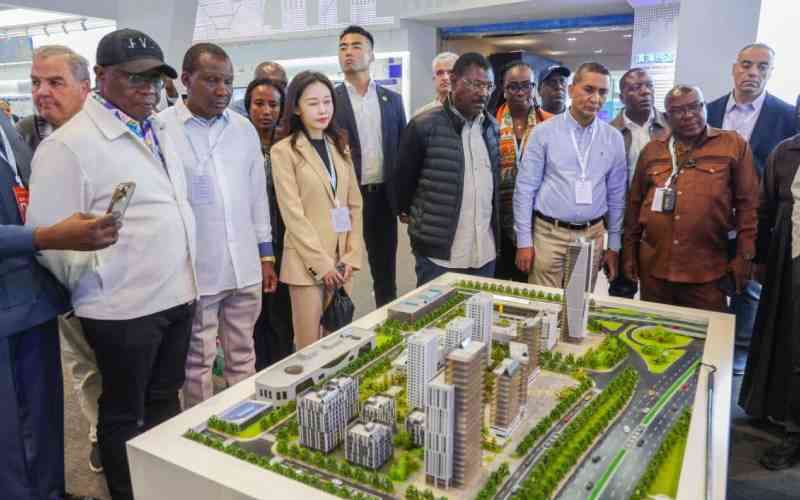
National Assembly Speaker Moses Wetang’ula has called for the modernisation of Lamu Port using lessons from China’s Tianjin Port.
Wetang’ula says automation, artificial intelligence and green energy could help Kenya cut cargo costs, expand exports and strengthen its position as a regional logistics hub.
Speaking during a tour of Tianjin Port and the Modern Industrial Exhibition and Exchange Centre in Binhai New Area, Wetang’ula said Kenya must move beyond infrastructure development towards technology transfer, local manufacturing and skills development if its economic partnership with China is to deliver lasting benefits.
“What we have seen in Tianjin shows how automation, artificial intelligence and green energy can turn a port into a driver of industrial growth. Kenya can apply these lessons to make Lamu more efficient, competitive and attractive to shipping lines and investors,” Wetang’ula said adding that the Chinese facility demonstrated how advanced technology could transform port operations and stimulate industrial growth.
The visit formed part of his engagements at the 2026 Legislators Forum for Friendly Exchanges in China, which seeks to strengthen parliamentary cooperation, trade and technology partnerships.
Wetang’ula said Lamu Port, a key component of the Lamu Port-South Sudan-Ethiopia Transport (LAPSSET) Corridor, could ease pressure on Mombasa, improve access to regional markets and support industrial development along the Coast.
However, he noted that realising the port’s potential would require investment in digital cargo handling, automated operations and modern customs systems to reduce delays, improve reliability and lower costs for businesses.
The proposed transformation also comes against the backdrop of Kenya’s widening trade imbalance with China. Wetang’ula disclosed that Kenya imported goods worth approximately US$5.19 billion from China in 2025, compared with exports valued at just US$130.8 million.
The disparity, he said, underscored the need to expand domestic production, strengthen value addition and help Kenyan goods compete in international markets.
An efficient Lamu Port, supported by local manufacturing, could improve export logistics, although port upgrades alone would not resolve the imbalance without stronger domestic production capacity and access to markets.
Wetang’ula also highlighted potential investments in energy and manufacturing, including the proposed Dangote refinery and a planned green mobility partnership with Endelevu Enterprise Corporation covering electric-vehicle assembly and charging infrastructure.
Kilifi North MP Owen Baya said modernising the port could create employment and stimulate economic activity among coastal communities.
“Lamu cannot remain an underutilised asset. If we automate operations and reduce cargo delays, we create real opportunities for our fishermen, transporters and small traders along the Coast,” Baya said.
Nominated MP Irene Mayaka raised concerns about inclusion, urging Kenya to ensure women and young people benefit from emerging opportunities in logistics, artificial intelligence and clean energy.
“What impressed me in Tianjin was the deliberate investment in the people behind the technology,” she said, calling for training programmes that would prepare young women for jobs in emerging industries.
Stay informed. Subscribe to our newsletter
Kiminini MP John Chikati, meanwhile, said Parliament would need to support technology partnerships with legislation protecting local content, skills transfer and environmental standards.
Wetang’ula said Kenya’s cooperation with China should increasingly deliver factories, technical skills and employment. He cited 144 technical training institutions that had received modern equipment and 314 trainers who had undergone training through Kenya-China programmes.
He said further cooperation in agriculture, manufacturing and clean energy could help expand exports and create sustainable economic opportunities.



Subscribe to our newsletter and stay updated on the latest developments and special offers!








 join
join