×

The Standard e-Paper
Home To Bold Columnists
 The Standard Group Plc is a
multi-media organization with investments in media platforms spanning newspaper
print operations, television, radio broadcasting, digital and online services. The
Standard Group is recognized as a leading multi-media house in Kenya with a key
influence in matters of national and international interest.
The Standard Group Plc is a
multi-media organization with investments in media platforms spanning newspaper
print operations, television, radio broadcasting, digital and online services. The
Standard Group is recognized as a leading multi-media house in Kenya with a key
influence in matters of national and international interest.

Audio By Vocalize
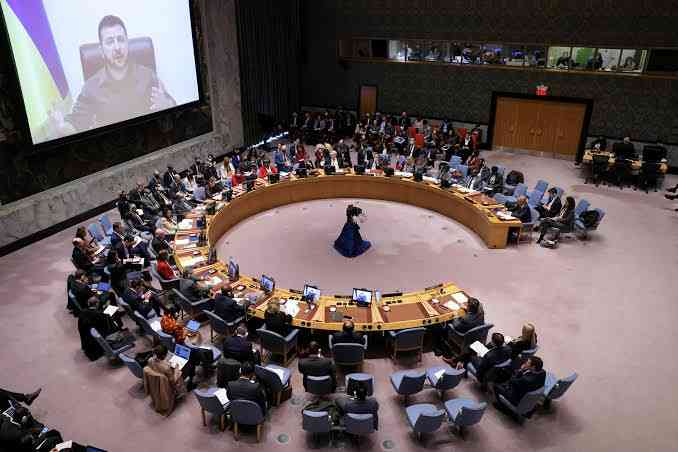
The United Nations on Friday urged Ethiopia and Eritrea to respect each other's territorial integrity, voicing concern over "renewed tensions" between the two neighbouring countries.
For months, the Horn of Africa nations have traded accusations of destabilisation, raising the spectre of a new war.
Eritrea, which gained independence from Ethiopia in 1993 after a long armed struggle, accuses its landlocked neighbour of eyeing its Assab port.
Ethiopian authorities, meanwhile, say Eritrea is "actively preparing for war" and funding armed groups fighting federal forces.
UN chief Antonio Guterres urged both sides to "recommit to the vision of lasting peace and the respect for sovereignty and territorial integrity" under the Algiers Agreement, which ended a border war that killed tens of thousands between 1998 and 2000, his spokesman Stephane Dujarric said in a statement.
The two countries have had strained relations since then, with fighting flaring up again in Ethiopia's war-scarred Tigray region.
Ethiopia's most northerly region, bordering Eritrea, saw a devastating war between 2020 and 2022, which claimed up to 600,000 lives, according to some estimates.
Ethiopian Prime Minister Abiy Ahmed, in power since 2018, won the Nobel Peace Prize the following year for signing a peace deal with Eritrean President Isaias Afwerki, who has ruled the country since 1993.
But ties have soured again since the deal, despite the two sides joining forces against the Tigrayans during the war.
Eritrea, whose forces were accused of widespread atrocities during the fighting, was not a party to the agreement between Addis Ababa and Asmara's enemies, the Tigray People's Liberation Front.
Meanwhile, Eritrea on Friday announced it was leaving east African bloc IGAD, accusing it of failing to maintain regional stability.
"IGAD has not only failed to meet the aspirations of the peoples of the region, but instead played a deleterious role becoming a tool against targeted Member States; particularly Eritrea," the foreign ministry said in a statement.



Subscribe to our newsletter and stay updated on the latest developments and special offers!









 join
join