×

The Standard e-Paper
Fearless, Trusted News
 The Standard Group Plc is a
multi-media organization with investments in media platforms spanning newspaper
print operations, television, radio broadcasting, digital and online services. The
Standard Group is recognized as a leading multi-media house in Kenya with a key
influence in matters of national and international interest.
The Standard Group Plc is a
multi-media organization with investments in media platforms spanning newspaper
print operations, television, radio broadcasting, digital and online services. The
Standard Group is recognized as a leading multi-media house in Kenya with a key
influence in matters of national and international interest.
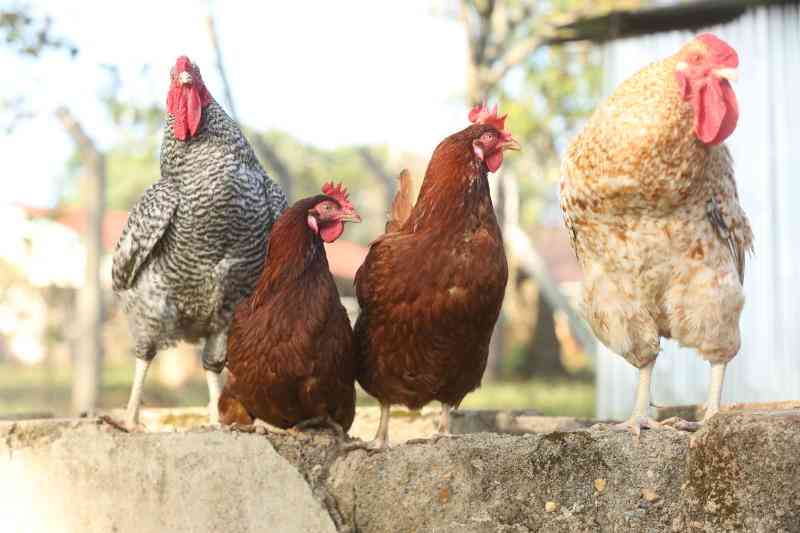
In the last decade or so, both the meat and egg consumer markets have undergone significant changes, resulting in increased expectations for safe and antibiotic-free production. Continuous investment over the past years in products that can potentially replace the long tradition of antibiotic growth promoters (AGPs) has enabled the creation of probiotics, which serve two purposes: improving gut health and reducing antimicrobial resistance.
But what is a probiotic? Many people have described what a probiotic means in the animal farming system. However, in 2001, the WHO (World Health Organisation) decided to provide an official definition of a probiotic to clearly differentiate it from an antibiotic. It states that a probiotic is defined as "live microorganisms which, when administered in adequate amounts, confer a health benefit on the host." In our context, the host is the farm animal.
Subscribe to our newsletter and stay updated on the latest developments and special offers!











 join
join