×

The Standard e-Paper
Join Thousands Daily
 The Standard Group Plc is a
multi-media organization with investments in media platforms spanning newspaper
print operations, television, radio broadcasting, digital and online services. The
Standard Group is recognized as a leading multi-media house in Kenya with a key
influence in matters of national and international interest.
The Standard Group Plc is a
multi-media organization with investments in media platforms spanning newspaper
print operations, television, radio broadcasting, digital and online services. The
Standard Group is recognized as a leading multi-media house in Kenya with a key
influence in matters of national and international interest.
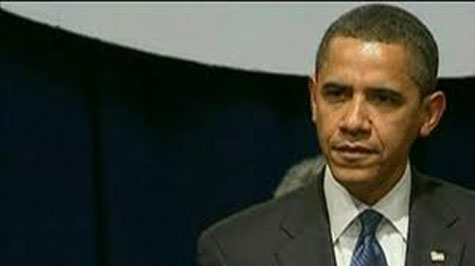 |
| US President Barack Obama [Photo: BBC] |
In a U.S. election dominated by multimillion-dollar donations, Democratic President Barack Obama's campaign is about to give small donors a new weapon by starting to accept text message donations for the first time in history.
Marking the beginning of what could be a revolution in U.S. campaign finance, the Obama campaign said on Thursday it is wrapping up agreements with Verizon Wireless, Sprint Nextel Corp, U.S. Cellular and T-Mobile USA -- a unit of Deutsche Telekom AG -- to open the floodgate for donations by text this week.

Subscribe to our newsletter and stay updated on the latest developments and special offers!








 join
join