×

The Standard e-Paper
Smart Minds Choose Us
 The Standard Group Plc is a
multi-media organization with investments in media platforms spanning newspaper
print operations, television, radio broadcasting, digital and online services. The
Standard Group is recognized as a leading multi-media house in Kenya with a key
influence in matters of national and international interest.
The Standard Group Plc is a
multi-media organization with investments in media platforms spanning newspaper
print operations, television, radio broadcasting, digital and online services. The
Standard Group is recognized as a leading multi-media house in Kenya with a key
influence in matters of national and international interest.
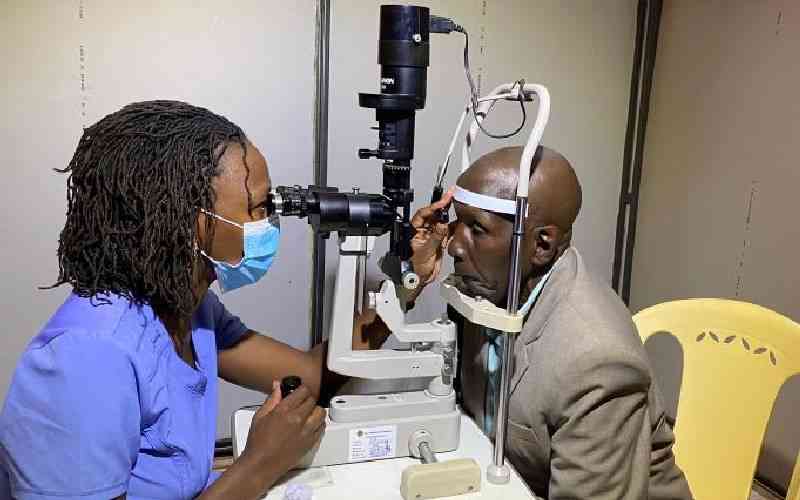
New data from the International Agency for the Prevention of Blindness (IAPB) and the Seva Foundation shows that the right pair of glasses can help a child learn and earn more. Every school year, Kenya loses 24,959 years of potential learning because the children in class can't see properly. We are talking about uncorrected refractive error with an estimated 86,000 children and adolescents having vision problems such as short-sightedness and long-sightedness. According to the IAPB, the burden of poor eye health to the economy is estimated to be Sh14.8 billion every year in unrealised economic potential, pointing to the need for heightened nationwide preventive and curative programmes.
This year's World Sight Day, focusing on child eye health, reminds us that we have a long way to go in the journey to reducing national incidences of poor vision and facilitating citizens with sight challenges to become economically productive. In jurisdictions like Kenya and India, regular preventive measures such as screening programmes that facilitate early detection are being established in schools for children between five and 15-years-old. These programmes' success, however, hinges on key factors including the availability of trained teachers, access and affordability, parental awareness and a community-led health system that tracks the child's progress.

Subscribe to our newsletter and stay updated on the latest developments and special offers!










 join
join