×

The Standard e-Paper
Smart Minds Choose Us
 The Standard Group Plc is a
multi-media organization with investments in media platforms spanning newspaper
print operations, television, radio broadcasting, digital and online services. The
Standard Group is recognized as a leading multi-media house in Kenya with a key
influence in matters of national and international interest.
The Standard Group Plc is a
multi-media organization with investments in media platforms spanning newspaper
print operations, television, radio broadcasting, digital and online services. The
Standard Group is recognized as a leading multi-media house in Kenya with a key
influence in matters of national and international interest.

Audio By Vocalize
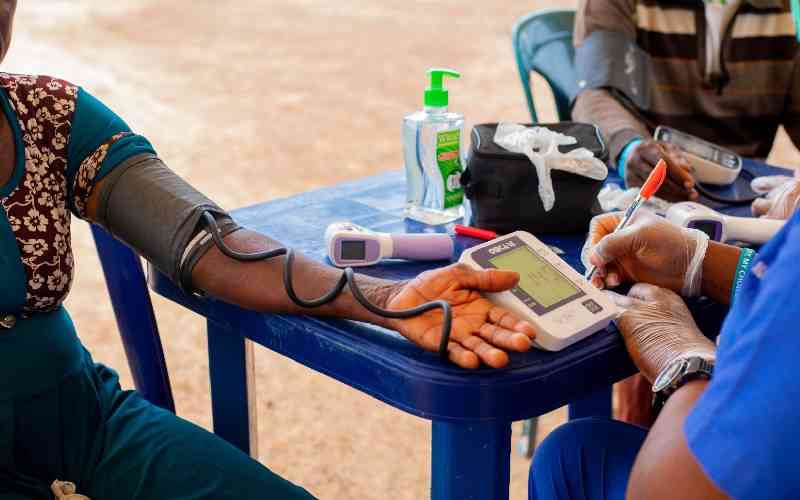
Non-communicable diseases (NCDs) are a major and growing cause of sickness and early death in Sub-Saharan Africa. According to the World Health Organisation, 18 million people die from an NCD before age 70 years; 82 per cent of these premature deaths occur in low- and middle-income countries (LMICs).
For many affected individuals, managing chronic illness goes beyond medical care; it often involves navigating financial constraints, long travel distances, and the difficult daily choices between buying food, transportation, or medicine.
The Access to Healthcare (ATH) program by Boehringer Ingelheim aims to bridge the gap in diagnosis and treatment of NCDs like hypertension and type 2 diabetes in Kenya.
Boehringer Ingelheim, in partnership with Zuri Health, Mission for Essential Drugs and Supplies (MEDS) and Ampath, recognised the opportunity to do more than just offer treatments but to build a lasting healthcare access model.
Access to healthcare is not a privilege; it is a fundamental human right. With this program, we have created a system that ensures patients get the care and treatment they require. Our main objective is to provide affordable treatments to patients who need them most and empower them for a lifetime of better health. That is what true healthcare equity means.
The program focuses on a patient-centred model as follows:

Screening: At community pop-up clinics, patients are screened and referred based on their risk profile.
Physician Assessment: Doctors confirm diagnosis, and an independent team assesses program eligibility.
Enrollment: Patients receive affordable medication and are assigned a nurse for continued support.
Follow-Up: Over at least 12 months, nurses and health coaches provide guidance, adherence support, and medication refills.
The results after just two years are encouraging: over 8,000 patients have been enrolled, over 30 healthcare centres have signed formal partnerships, and more than 345 physicians are actively referring patients through the program.
Measuring real impact
In May 2025, the ATH program conducted a comprehensive Patient Graduation Assessment done by our 3rd party partner to understand how patients were managing their conditions after more than a year of coaching and care. Out of 93 eligible patients, 59 completed the phone-based survey. The results were striking: 81 per cent passed the assessment, demonstrating strong knowledge of symptom recognition, disease management, and appropriate responses to complications. Patients praised the program for transforming not just their treatment, but their outlook on health. As one participant explained, “The nurse didn’t just teach me about my condition, she listened to me, and that made all the difference.”
Stay informed. Subscribe to our newsletter

Others highlighted the affordability of medicines and the flexibility of coaching calls, while also suggesting improvements such as in-person support, more medication pick-up points, and peer support groups. These insights are now shaping future enhancements to ensure the program evolves with patient needs.
ATH is part of Boehringer Ingelheim's broader Sustainable Development for Generations framework, which aims to expand access to healthcare for 50 million people by 2030. We feel responsible for our communities and programs like ATH operate as part of the core business, aligning with our purpose of transforming lives for generations.
Programs like Access to Healthcare show that when we listen to patients and partner with communities, we deliver treatment, trust, resilience, and hope.
By building healthcare systems that put patients at the centre, we are not only improving health outcomes today but laying the foundation for healthier, more sustainable societies tomorrow and for generations to come.
The writer is the Head of Sustainable Development at Boehringer Ingelheim for India, the Middle East, Turkey and the Africa region








Subscribe to our newsletter and stay updated on the latest developments and special offers!







 join
join