×

The Standard e-Paper
Fearless, Trusted News
 The Standard Group Plc is a
multi-media organization with investments in media platforms spanning newspaper
print operations, television, radio broadcasting, digital and online services. The
Standard Group is recognized as a leading multi-media house in Kenya with a key
influence in matters of national and international interest.
The Standard Group Plc is a
multi-media organization with investments in media platforms spanning newspaper
print operations, television, radio broadcasting, digital and online services. The
Standard Group is recognized as a leading multi-media house in Kenya with a key
influence in matters of national and international interest.

Audio By Vocalize

Weeks after 16 girls died in a fire at Utumishi Girls Academy in Gilgil, experts say Kenya is still asking the wrong question about student unrest.
The tragedy is the latest in a long pattern. The Ministry of Education reported 126 incidents of school arson between January and November 2020 alone, with researchers linking the fires to student protests over harsh discipline, poor food and substandard living conditions.
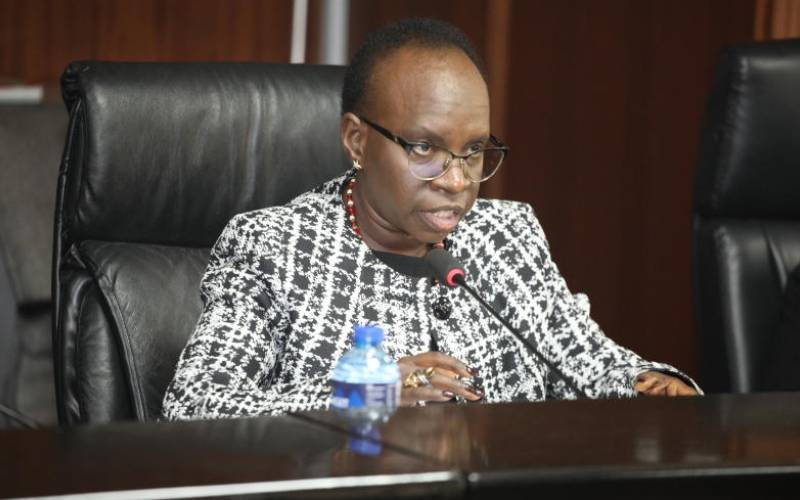
Speaking on Spice FM on Tuesday, June 9, Janet Ouko, Executive Director of the Tunza Mtoto Coalition, said schools, parents and policymakers must create environments where students feel heard, rather than reach for punitive responses.
"We need to start having conversations from the child's perspective, and we must stop gaslighting children when they are placed in environments with no channels of communication and then dismissed when they try to speak through behaviour," said Ouko.
Clinical psychologist and former teacher Dr Hamida Ahmed said adolescence is a critical developmental stage marked by emotional, social and cognitive changes that affect decision-making.
"We focus more on academics and not on children's welfare. We also need to let children be. Teachers should stop taking PE lessons and converting them into their own classes," noted Ahmed.
Ahmed said students face pressures tied to academic performance, peer influence, family expectations and mental health, which can lead to frustration and disruptive behaviour.
She called on schools to strengthen counselling services, urging parents and teachers to maintain open communication with learners.
A 2024 assessment by the Ministry of Education found that many schools failed to comply with fire-safety standards, citing dormitories with barred windows, single exits, inward-opening doors and overcrowding, and subsequently ordered the closure of 348 schools.
Data from the Kenya Fire Protection Association also indicates that over 60 per cent of school fires are attributable to electrical faults, suggesting that even fires not caused by deliberate arson are products of neglected infrastructure.
Ouko raised concerns about how single-sex boarding schools affect adolescents, warning that the separation of boys and girls can lead to children being unfairly labelled.
"In systems where boys and girls are largely educated separately, with few mixed schools, some children are labelled as lesbians or gays, not because they are, but because of the environment of separation," observed Ouko.
She also noted that parents often avoid conversations about homosexuality, describing it as a gap that undermines efforts to support young people.
"If we want to help our children, we have to be open to understanding them," added Ouko.
Stay informed. Subscribe to our newsletter
Ouko said children aged between 12 and 17 are eligible to be processed through the children's justice system, underscoring the gravity of unresolved school conflicts.
Ahmed warned that sexual abuse in schools can have lasting societal consequences, with victims sometimes going on to abuse others in later life.
She said many schools still rely on authoritarian approaches, with some parents treated dismissively by school administrations.
"We must appreciate that our teenagers go through a lot. This is a developmental stage that parents and teachers need to handle carefully," explained Ahmed.







Subscribe to our newsletter and stay updated on the latest developments and special offers!








 join
join