News Links
- Home
- News
- Business
- Editorial
- Columnists
- Commentaries
- Cartoon
- Madd Madd World
- Pictures
- Special Reports
- Draft Constitution
- Politics
- Parliament
- World News
- OdD nEwS
- Blogs
- Magazines
- Real Estate
- Agriculture
- Hunger Watch
- Environment
- Travel
- Art & Literature
- Fashion
- Relationships
- Children
- Education
- Letters
- Point Blank
- Careers
- Celebrating Life
- Feedback
Poll
Your Say
Experts seek new options to fund health services
Related Stories
Millions of children locked out of school
Day’s rallying call offers hope against cancer
Law may be changed to allow ‘outsiders’ in boards
New hope in fight in fight against TB
Sh3.7b boost for grandma’s malaria fight
After 20 years of study, doctors say they have cracked puzzle on Aids
by Peter Orengo
As traditional sources of financial aid dry up, new approaches to fundraising are needed to generate money to tackle HIV and Aids.
Fundraiser UNITAID has collected an estimated Sh90 billion since 2006 for treatment of HIV, tuberculosis and malaria, mainly from a small levy on airline tickets sold in 34 countries.
"With the current financial crisis, it is going to be very difficult to achieve the MDGs through official Government aid, so innovative methods of financing the fight against these diseases must be sought," said Philippe Douste-Blazy, chair of UNITAID and a UN special advisor on innovative development financing at a meeting in Nairobi.
A World Bank report in April projected the global economic downturn could put the treatment of more than 1.7 million people in the developing world at risk by the end of this year through drug shortages.
According to Douste-Blazy, the airline levy gives participating developing nations an opportunity to contribute to treatment in their countries rather than depending on handouts from the developed world.
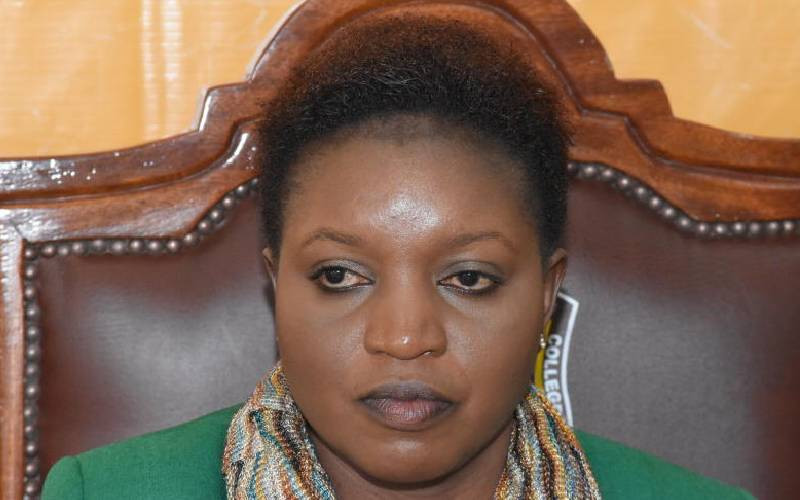
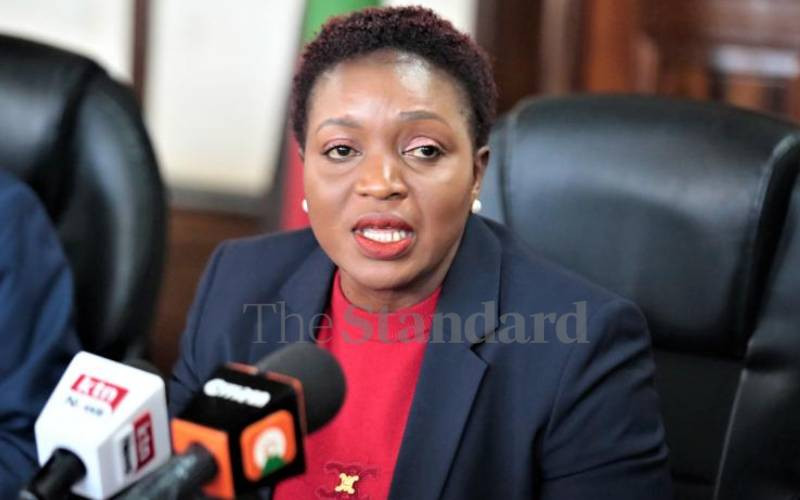
Public Health Minister Beth Mugo told delegates it was time African governments played a bigger role in health financing.
"We need long-term financing for health and we must put pressure on our leaders to implement their Abuja pledge to dedicate 15 per cent of the budget to health," she said.
"Few are doing so. In Kenya for example, only seven per cent of our national budget is spent on health," she added.
Airline levy
Cote d’Ivoire, Niger, Madagascar and Mauritius are applying the airline levy, while Benin, Burkina Faso and Kenya have said they will introduce it.
The levy ranges from US$1 to $2 on economy-class tickets and up to $40 on business- and first-class fares. The funds are channeled through NGOs like the Clinton HIV and Aids Initiative, which has used the money to put 170,000 children in 38 countries on antiretroviral drugs.
From next year, individuals will make a voluntary contribution of as little as US$2 when purchasing air tickets, booking hotel rooms or renting cars as part of a new initiative being launched by UNITAID in partnership with the Millennium Foundation for Innovative Finance for Health, formed by the UN last year.
Participants also stressed the urgent need for Africa’s public health systems to become more efficient.
"In this part of the world, we have weak public health systems. We have problems diagnosing these diseases, and when we do diagnose them, we have difficulty finding qualified staff to treat patients," said David Okello, World Health Organisation Country Representative.
Read all about: HIV Aids MDG Millenium Development Goals ARV Anti Retrovirals
Business
KenGen signs Sh98.6b geothermal contract
Kenya Electricity Generating Company (KenGen) has signed a Sh98.6 billion ($1.314 billion) contract with a New Zealand firm t...more
Sports News
AFC Leopards face the axe
A week after Kenyan football suffered the setback of McDonald Mariga’s failed move to Manchester City, CAF Confederations Cup...more
Today's magazine
Crime, Courts & InvestigationsThe deal was sealed with a handshake before the two men headed in different directions. One of them went to Kenya Revenue Authority headquarters while the other went to his office to await some money.
Adverts