GLANCE FACTS
Fuel costs:
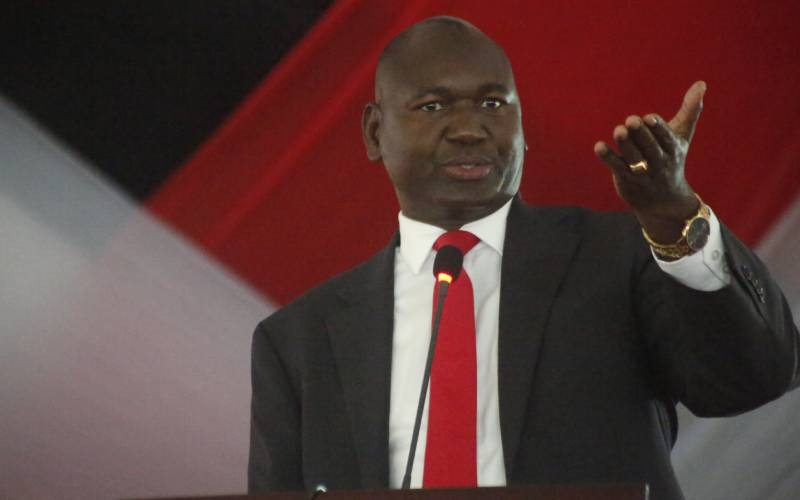
Kenya Power MD Joseph Njoroge opens OlKalaou power station. The firm in a Gazette Notice yesterday said the new costs would be factored in this month’s bills.
By Macharia Kamau
Electricity bills are expected to go up, following a move by Kenya Power to increase foreign exchange and fuel cost charges.

The power supplier plans to increase fuel cost charge to Sh5.99 per unit of electricity consumed from the current Sh5.39.
The foreign exchange will double to Sh1.44 up from 76 cents per unit. In a Gazette Notice on Friday, Kenya Power said the new costs would be factored in this month’s bills. The firm is by allowed to change the two components in the power bill on a month-to-month basis to reflect the change in international crude oil prices and the fluctuation of the shilling against major world currencies. The move to increase the two components comes at a time when there is however despite stable fundamentals that would not necessitate such move.
These include adequate rains during the May to June season and stability in the local currency. The recent rains that should have seen the company distributing electricity generated from cheaper electricity generation sources as opposed to power generated by burning fossil fuels. The shilling has been trading at an average of Sh84 to the dollar for almost the whole of this year. During rainy seasons – and periods following rainy seasons – hydro electricity generation usually takes centre stage. It accounts for more than 60 per cent of the power consumed in the country, with the balance being shared by power from geothermal and thermal. According to Kenya Power, in normal rainfall period, there is high generation of cheaper hydropower and hence less from generation from thermal generators leading to significant reduction in fuel cost charge.
The foreign exchange component, according to power utility firm, is related to the fluctuation of major world currencies against the Kenya. The firm repays its debtsin foreign currency.
Currently, more than 50 per cent of the firm’s long-term loans are denominated in foreign currencies that include the dollar and euro.
Latest Stories
- AAR and hospital ‘treated me harshly’ in my hour of need
- New technology could end Kenya’s historic land woes
- Which way for the civil society in today’s Kenya?
- Achebe does not need any foreign decorations, more so in his death
- Africa supports President Uhuru on Hague
- Why women, youths and Church should drive truth team’s agenda