By Stephen Makabila
The National Cohesion and Integration Commission ( NCIC) is back on the drawing board after a ‘foul’ start of peace initiatives in 10 counties viewed as clash hot-spots.
Matters failed to play out as per NCIC’s script after six MPs in Nakuru County and civic leaders kept off the inaugural peace caravan, denying it representation of key community leaders.

After Nakuru, other counties lined up are Uasin-Gishu, Isiolo, Marsabit, Bungoma (Mt Elgon area), Lamu, Tana-River, Nandi, Kisumu, Kericho and Kisii.
The selected counties were some of the worst hit by post-election violence that left more 1,300 dead and another 350,000 displaced.
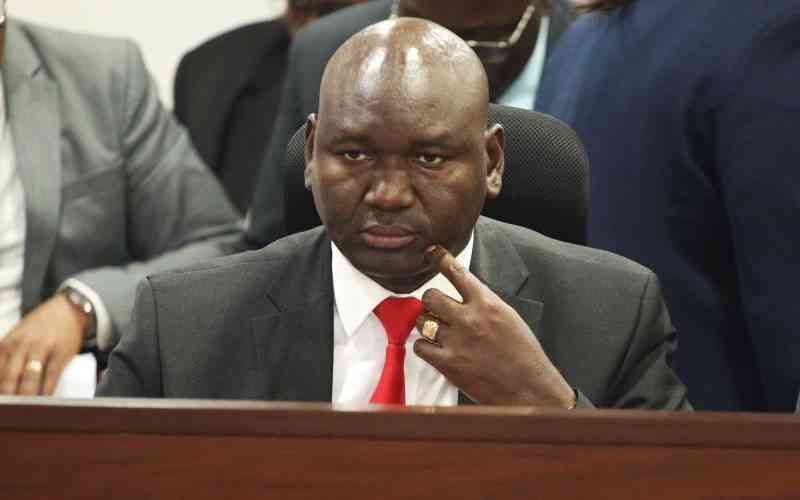
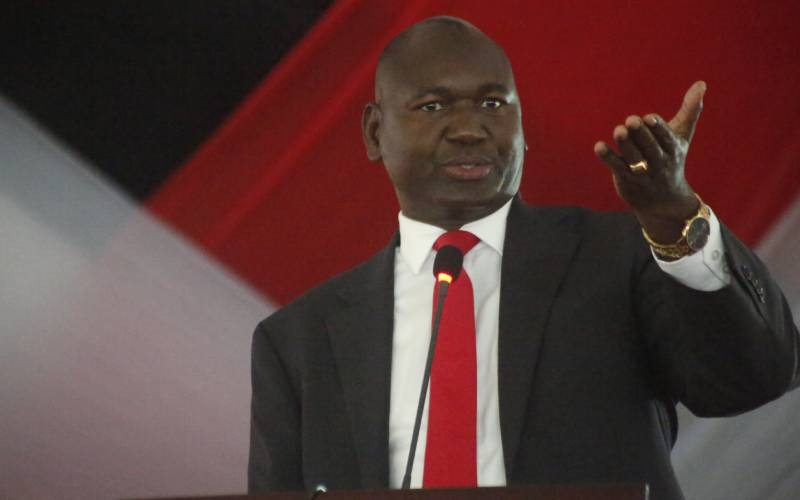
In an interview with The Standard on Sunday, NCIC chairman Mzalendo Kibunjia said the commission’s teams were already in the 10 counties fine-tuning plans for peace building, as his office tries to rectify the situation in Nakuru to bring the entire county leadership on board.
The Nakuru MPs and local politicians who kept off the initiative have been calling for an all-inclusive process.
Kibunjia admitted the commission was let down by the leaders, forcing it to host the MPs for closed-door talks at a Nairobi hotel on Thursday and civic leaders, women and religious leaders for another closed-door meeting in Nakuru town on Friday.
MPs in Nakuru County are Lee Kinyanjui (Nakuru town), John Mututho (Naivasha), Joseph Kiuna (Molo), Zakayo Cheruiyot (Kuresoi), Lukas Kigen (Rongai) and Nelson Gaichuhie (Subukia).
“We are not going to hold another peace caravan in Nakuru because we did that and the message went through. What we now want is to have the leaders on board,” said Kibunjia.
He said peace building was a continuous process and that what was important was for the leadership of the county and others lined-up after Nakuru, to speak in one voice. MPs from the county have insisted they are not against NCIC’s initiative so long as they are involved in the process.
Bad blood
However, there seem to be bad blood between politicians and elders working with NCIC to promote peace among the Kikuyu and Kalenjin communities.
Last week, Kalenjin Council of Elders member Wilson Leitich had accused some politicians opposed to the peace deal of disrespecting elders for claiming they had been picked from the streets. “Some of us have an impressive public record and you cannot just claim we were picked from the streets,” the veteran politician said.
Some residents within the county had equally cautioned the NCIC initiative would not achieve much without the involvement of local politicians who hold significant influence. “Politicians hold sway in their areas. The role of politicians in stoking and defusing ethnic tension is key,” Mr Bernard Mwangi, a victim of past ethnic clashes in Molo cautioned.