×

The Standard e-Paper
Stay Informed, Even Offline
 The Standard Group Plc is a
multi-media organization with investments in media platforms spanning newspaper
print operations, television, radio broadcasting, digital and online services. The
Standard Group is recognized as a leading multi-media house in Kenya with a key
influence in matters of national and international interest.
The Standard Group Plc is a
multi-media organization with investments in media platforms spanning newspaper
print operations, television, radio broadcasting, digital and online services. The
Standard Group is recognized as a leading multi-media house in Kenya with a key
influence in matters of national and international interest.
By Kenneth Kwama
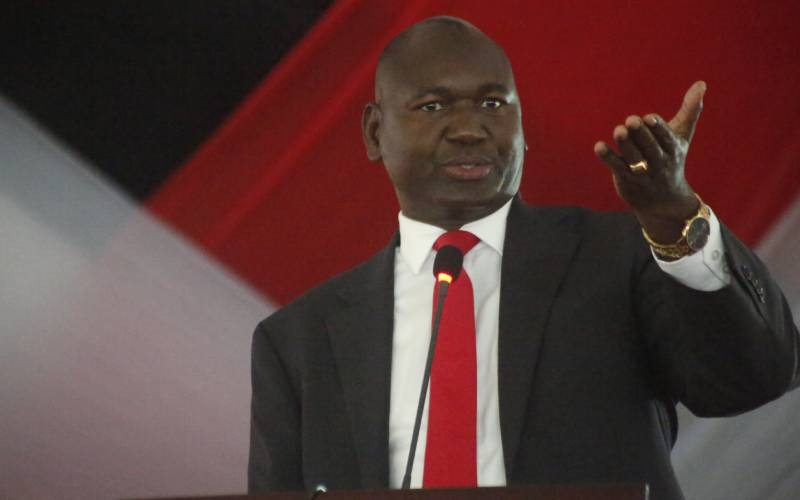
For a former powerful Cabinet minister in the old Kanu regime, who is the majority shareholder in KenolKobil, it is the time to harvest.

Subscribe to our newsletter and stay updated on the latest developments and special offers!










 join
join