By ALEX NDEGWA
A row is brewing over whether Members of Parliament can be trusted with national secrets as efforts to make Government more transparent continue.

Debate is also raging on how they would obtain security clearance and still be independent of the nation’s intelligence and security apparatus.
As the National Assembly steps up its oversight role, the national intelligence service will no longer be exempted from scrutiny. A proposed National Intelligence Service Bill will see a Parliamentary Intelligence Oversight Committee set up to keep an eye on what the nation’s spies are up to.
This will require them to receive briefings on matters that are rarely in the public domain. But questions are being raised as to how safe any classified information would be in the hands of such a team, given the integrity concerns that dog the House.
The Tenth Parliament has been rocked by bribery and extortion claims against some members. Credible international bodies have accused some of them of aiding or being involved with drug trafficking, money laundering and terror-related organisations. Similar claims have dogged past MPs.
Vital information
With allegations of cash-for-laws or Motions or questions flying in the House, what are the risks of vital information or documents falling into the wrong hands? What guarantees are there that sensitive proceedings conducted behind the scenes would not be leaked? Could the fear that confidentiality may be breached explain why security chiefs have snubbed some parliamentary committees or been economical with their testimony?
The fears are not unfounded. In 2009, President Kibaki warned ministers over leaking Cabinet secrets. This followed a series of embarrassing leaks over various coalition deliberations.
The President expressed dismay that ministers appeared to show little regard for their oath of office, which prohibited them from discussing Cabinet matters in public. MPs, who are less disciplined, have a record of involvement in embarrassing security incidents.
Cases of weapons and documents being forgotten in public places are not unheard of. The rush to leak closed deliberations to the media for political gain is also an issue. Recently, Director General of the National Security Intelligence Service Michael Gichangi drew the wrath of the committee probing the authenticity of a document suggesting Western nations backed a secret probe of President Kibaki for international crimes.
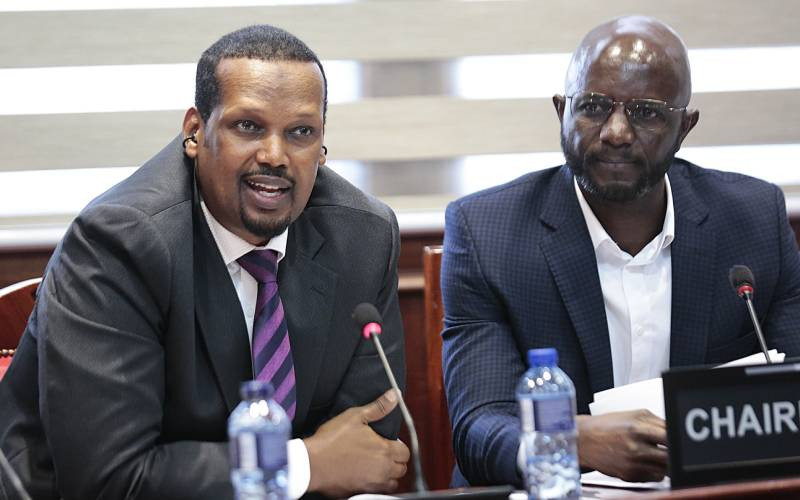
It was not the first time Gichangi had infuriated the Defence and Foreign Relations committee chaired by Wajir West MP Adan Keynan.
He refused to appear before the committee even after Attorney General Githu Muigai undertook to accompany him to the hearing. The spy chief has had similar run-ins with Parliament’s National Security committee headed by Mt Elgon MP Fred Kapondi.