With eight additional constituencies, Eastern will have 44, and North Eastern gets seven more, making 18.
Coast and Central Provinces are proposed to get five additional constituencies each, making 26 and 34.
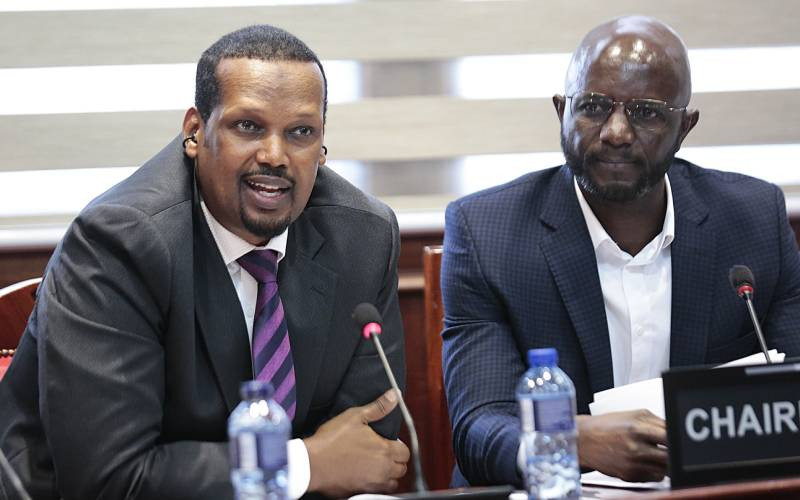
"Proposals from Parliament ought to have been on general principles rather than actually creating additional wards. This is the commissionâs mandate...review of the names, number and boundaries of wards," said Hassan. In effect, he declared MPs have no mandate to review the numbers of electoral areas IEBC crafted.
He argued it is only the commission that is mandated by the Constitution to review the names, number, and boundaries of wards, a responsibility that MPs cannot usurp. "The provision of Article 89(3) of the Constitution vests the mandate on the commission," stated Hassan, justifying the action taken and setting the stage for two crucial steps to elections â voter education and registration.
Once the list goes back to the House, MPs cannot amend it because of the constitutional powers vested on IEBC.
After publishing the electoral units, IEBC announced it would now embark on voter education on the report, before mapping out the new electoral units and kicking off voter registration in preparation for the General Election.
But IEBC announced in accordance with the law anybody seeking to challenge the report or dissatisfied with its contents has a right to file an application at the High Court, within 30 days after its publication, meaning by April 6.
The full list of will be published in The Standard tomorrow, but a glance shows there wasnât a big departure from the initial list IEBC released, except a few changes to constituency names and ward clusters.
Hassan told The Standard IEBC had considered demands of Kenyans, including changing of names for some units, before publishing the final report.
"We decided to retain the 1,450 wards but took into account numerous demands made by Kenyans in their submissions," said Hassan
The elections chief enumerated the many challenges that the commission encountered before coming up with the report. He said the body had only stood by popular and realistic public demands.
"The commission had to wade through polarising opinions, misconception, and high (often unrealistic) expectations to come up with what may satisfy most of the people," explained Hassan. "We made great efforts to ensure that only popular and reasonable demands carried the day." He conceded it was not possible to please everyone.